
Introduction
Choosing the right Lederhosen hat is one of the easiest ways to complete an authentic Oktoberfest outfit. While Lederhosen, Bavarian shirts, and traditional footwear form the foundation of Bavarian attire, the right hat brings the entire look together with authenticity, comfort, and personal style.
Whether you’re attending Oktoberfest in Munich or celebrating at a local festival, selecting a hat that complements your outfit helps create a polished traditional appearance. With so many styles and materials available, first-time buyers often find it difficult to know which option best suits their needs.
This guide explains everything you should consider before choosing a Lederhosen hat, from selecting the right material and fit to finding a style that matches your Oktoberfest attire. If you’re looking for authentic Bavarian clothing to complete your outfit, explore our Men’s Lederhosen collection. For a complete overview of traditional Bavarian hats, visit our Ultimate Guide to Lederhosen Hats: Styles, History & Bavarian Tradition.
Why Choosing the Right Lederhosen Hat Matters
The right Lederhosen hat does much more than complete your outfit. It enhances your overall appearance, improves comfort throughout the festival, and helps you embrace Bavarian traditions with confidence.
Complete Your Traditional Oktoberfest Outfit
A traditional Lederhosen hat complements the rest of your Bavarian attire, creating a cohesive and authentic look. When paired with Lederhosen, a Bavarian shirt, suspenders, and traditional footwear, it becomes an important finishing touch that reflects the spirit of Oktoberfest.
Enhance Authenticity
One of the biggest reasons people wear a Lederhosen hat is to create a more authentic Oktoberfest appearance. A well-chosen hat respects traditional Bavarian dress while helping you feel more connected to the festival atmosphere. Rather than treating it as a costume accessory, choosing a classic design adds credibility to your overall outfit.
Stay Comfortable Throughout the Festival
Oktoberfest celebrations often last for several hours, making comfort just as important as appearance. A properly fitting hat stays securely in place without causing discomfort, allowing you to enjoy parades, music, food, and festivities without constant adjustments.
Reflect Your Personal Style
Traditional Lederhosen hats come in a variety of classic styles and subtle decorative options, allowing you to express your personality while remaining true to Bavarian tradition. Choosing a hat that suits your preferences helps you feel confident without taking attention away from the authenticity of your outfit.
Choose the Right Hat Material
The material of your Lederhosen hat plays a major role in its comfort, durability, and suitability for different Oktoberfest conditions. Choosing the right material ensures your hat not only complements your outfit but also remains comfortable throughout the day’s celebrations.
Felt – The Traditional Choice
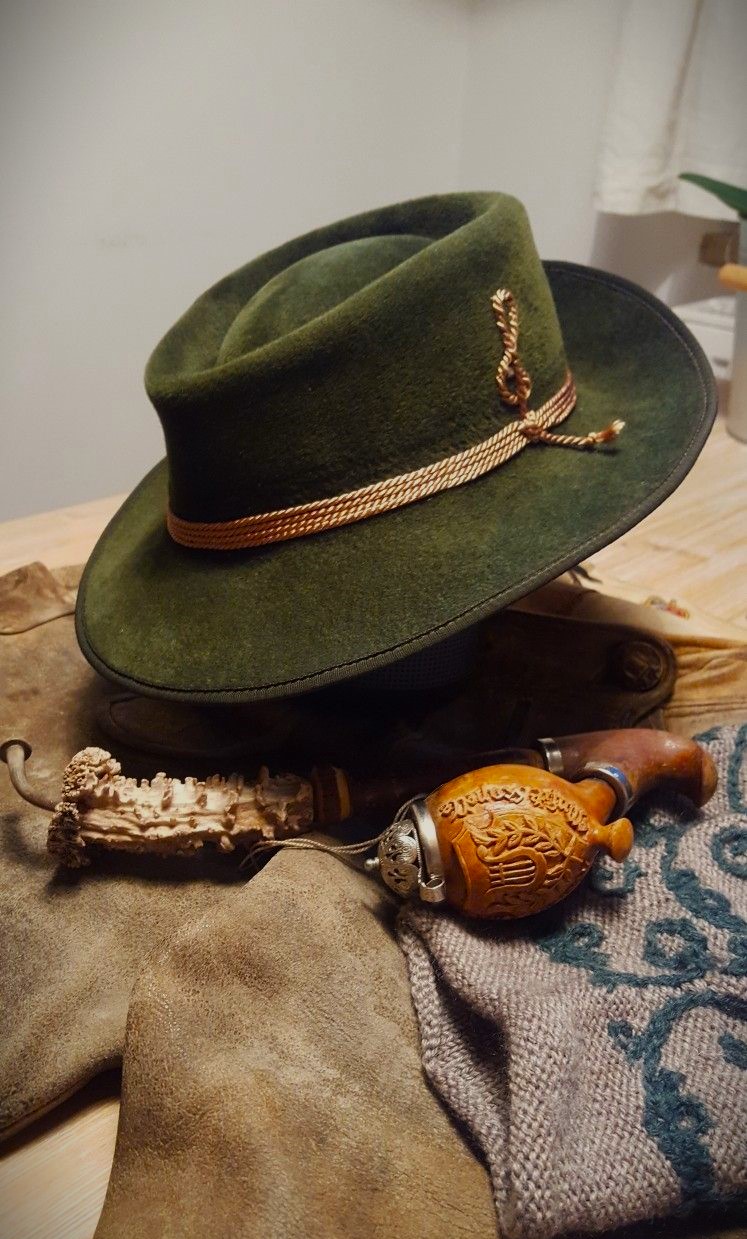
Felt is the most popular material for traditional Lederhosen hats and is widely recognized for its classic Bavarian appearance. It holds its shape well, offers excellent durability, and provides reliable protection against cool temperatures and light rain. If you’re aiming for an authentic Oktoberfest look, a felt hat is often the preferred option.
Wool – Lightweight and Comfortable
Wool hats offer a softer feel while maintaining a traditional appearance. They are generally lighter than felt, making them a comfortable choice for warmer weather or long festival days. Wool also provides natural breathability, helping keep you comfortable without sacrificing the classic Alpine style.
Leather – A Distinctive Alternative
Although less common than felt or wool, leather hats are available for those who prefer a rugged appearance. Leather is highly durable and develops character over time, making it a practical option for repeated use. However, it offers a more distinctive look compared to traditional felt styles.
Synthetic Materials – Budget-Friendly Options
Synthetic materials such as polyester blends provide an affordable alternative for occasional Oktoberfest visitors. While they may not fully replicate the appearance or feel of natural materials, they are lightweight, durable, and suitable for those looking for a cost-effective option.
When comparing materials, consider durability, comfort, and the expected weather conditions. Cooler autumn temperatures often favor felt, while warmer celebrations may be more comfortable with lightweight wool or synthetic alternatives.
Selecting the Best Hat Style
Choosing the right style is just as important as selecting the right material. Your Lederhosen hat should complement your Oktoberfest outfit while reflecting the level of tradition or personal preference you’re aiming for. Fortunately, several classic styles suit different occasions without sacrificing authenticity.
Tyrolean Hat
The Tyrolean hat is one of the most recognizable choices for Oktoberfest. Characterized by its structured crown, modest brim, and traditional Alpine appearance, it pairs naturally with Lederhosen and other Bavarian clothing. It’s an excellent option for anyone seeking a timeless and authentic festival look.
Alpine Hat
The Alpine hat offers a similar traditional appearance but often features subtle regional variations in shape and design. It remains a popular choice for cultural festivals and traditional celebrations, making it suitable for those who appreciate classic Bavarian attire with a slightly different character.
Traditional Felt Hat
A traditional felt hat is a versatile option that complements almost every style of Oktoberfest outfit. Its clean design makes it suitable for both first-time festival visitors and those who regularly attend Bavarian events. Because of its simplicity, it pairs easily with a wide range of traditional clothing.
The best choice ultimately depends on your personal preference and the overall look you want to achieve. If you’re unsure whether a classic or contemporary design suits you best, read our guide on Traditional vs. Modern Lederhosen Hats.
Finding the Correct Size and Fit
A well-fitting Lederhosen hat should feel secure without becoming uncomfortable during hours of Oktoberfest celebrations. Even the highest-quality hat won’t provide the right experience if it doesn’t fit properly, making size one of the most important factors to consider before making your choice.
Measure Your Head Correctly
Before selecting a hat, measure the circumference of your head using a flexible measuring tape. Wrap the tape around your forehead, just above your ears, where the hat will naturally rest. Compare this measurement with the manufacturer’s sizing guide to choose the most appropriate size.
Look for a Comfortable Fit
Your hat should sit comfortably on your head without creating pressure points. It should stay in place while walking or moving but shouldn’t feel overly tight. A comfortable fit allows you to enjoy long festival days without distraction.
Check the Brim Position
The brim should sit evenly around your head and maintain a balanced appearance. A properly positioned brim enhances the overall look of your Oktoberfest outfit while ensuring the hat feels natural to wear throughout the day.
Avoid Hats That Are Too Tight or Too Loose
A hat that’s too tight may cause discomfort or headaches after several hours, while one that’s too loose can shift or fall off during activities. Choosing the correct size from the beginning helps ensure both comfort and confidence throughout your Oktoberfest experience.
Choosing Decorations That Match Your Style
The decorative details on a Lederhosen hat can add personality to your Oktoberfest outfit while maintaining its traditional character. Rather than choosing every available ornament, it’s best to select decorations that suit the occasion, complement your outfit, and reflect your personal style. A balanced approach helps create an authentic appearance without making the hat feel overly elaborate.
Choose Decorations That Suit the Occasion
The type of event you’re attending should influence your choice of decorations. A classic Oktoberfest celebration or cultural festival often calls for traditional embellishments that blend naturally with Bavarian attire. For more casual gatherings, simpler decorative elements can achieve an authentic look without appearing excessive.
Express Your Personal Style
Traditional Lederhosen hats can be customized with subtle details that reflect your individual preferences. Feathers remain one of the most popular additions, while a Gamsbart, Edelweiss pin, or decorative cord can enhance the overall appearance. Choosing one or two complementary accents often creates a cleaner and more refined look than adding multiple decorations at once.
Keep the Look Authentic
When selecting decorations, authenticity should remain the priority. Instead of choosing overly bright or modern embellishments, opt for classic details that pair naturally with traditional Bavarian clothing. Simple, well-chosen accessories often create a more timeless Oktoberfest outfit.
To explore the most popular decorative options in greater detail, read our guide to Essential Accessories for Your Lederhosen Hat.
Matching Your Hat with Traditional Bavarian Clothing
Choosing the right Lederhosen hat is only part of creating an authentic Oktoberfest outfit. To achieve a balanced appearance, your hat should complement the rest of your traditional Bavarian clothing rather than stand out as the main focal point. Coordinating colors, materials, and classic styles helps create a cohesive look that reflects the spirit of Bavarian tradition.
Pair Your Hat with Men’s Lederhosen
A traditional hat works best when combined with authentic Men’s Lederhosen. Classic felt or Tyrolean-style hats naturally complement leather Lederhosen, creating a timeless Oktoberfest outfit that remains true to Bavarian traditions.
Coordinate with Bundhosen
If you prefer Bundhosen, choose a hat that maintains the same traditional aesthetic. Since Bundhosen offer a slightly different silhouette, a simple and classic hat style helps create a well-balanced appearance without drawing attention away from the rest of the outfit.
Complete the Look with a Bavarian Shirt
A traditional Bavarian Shirt ties the entire outfit together. Checkered or classic solid-colored shirts pair well with most Lederhosen hats, creating a coordinated appearance that feels authentic and appropriate for Oktoberfest or other cultural celebrations.
Rather than viewing the hat as a separate accessory, think of it as one element of a complete Bavarian outfit. When your hat, clothing, and accessories complement each other, the result is a polished and traditional look that is both comfortable and authentic.
Common Mistakes to Avoid When Choosing a Lederhosen Hat
Selecting the right Lederhosen hat is easier when you know what mistakes to avoid. Paying attention to a few key details can help you choose a hat that looks authentic, feels comfortable, and complements your Oktoberfest outfit.
Choosing the Wrong Size
One of the most common mistakes is selecting a hat that doesn’t fit properly. A hat that’s too tight can become uncomfortable after a few hours, while one that’s too loose may shift or fall off during the festivities. Always measure your head and refer to the sizing guide before making a decision.
Overdoing the Decorations
Traditional decorations enhance a Lederhosen hat, but too many embellishments can make it look unbalanced. Instead of adding multiple feathers, pins, and cords together, choose a few classic details that complement your outfit without overwhelming it.
Prioritizing Price Over Quality
Low-quality materials may seem appealing because of their lower cost, but they often lack durability, comfort, and an authentic appearance. Choosing a well-made hat with quality craftsmanship will usually provide a better experience throughout Oktoberfest and future cultural events.
Ignoring the Occasion and Comfort
Not every hat style is suitable for every event. Choose a design that matches the formality of the celebration while ensuring it remains comfortable enough to wear throughout the day. A balanced combination of authenticity, fit, and comfort will always create a better Oktoberfest experience than simply following trends.
How to Wear a Lederhosen Hat
Choosing the right hat is only half the work – wearing it correctly is what creates a truly authentic Bavarian look. How the hat sits on your head, where its decorations face, and even how you carry yourself all contribute to a polished appearance. The goal is not to follow rigid rules, but to wear your hat naturally and confidently while respecting Alpine tradition.
How Your Hat Should Sit
Your Lederhosen hat should rest comfortably on your head without being pushed down too firmly or balanced too loosely. It should feel secure while maintaining a relaxed appearance throughout the celebration.
A traditional Lederhosen hat is generally worn level across the head. Keeping the brim even creates a clean, balanced look that complements traditional Bavarian clothing. Unless you are following a specific regional custom, avoid wearing the hat at an exaggerated angle.
The front of the hat should sit slightly above your eyebrows, leaving enough of your forehead visible. Wearing it too low can make the hat appear oversized, while one of the most common mistakes is pushing it too far toward the back of the head, which looks unstable and disrupts the proportions of your outfit. Instead, position it so it sits naturally over the crown of your head.
Which Side Should Decorations Face?
Many first-time wearers wonder whether feathers, the Gamsbart, and ornamental pins belong on the left or right side. While traditional customs vary by region, there is no universally accepted rule that applies to every Bavarian hat today.
A feather is commonly attached to the side of the hatband, adding a subtle decorative touch without overpowering the overall appearance. The Gamsbart, the traditional tuft made from chamois hair, is typically secured to the side of the hat with a decorative holder. Edelweiss pins, hunting badges, and other traditional ornaments are usually attached neatly to the hatband as well – kept balanced so they complement the hat instead of becoming the main focus.
Today, most people simply choose the placement that best suits the design of their hat or follows the manufacturer’s styling. Unless you are participating in a regional tradition with specific customs, either side is appropriate.
Hairstyle Tips for Hat Wearers
Your hairstyle plays a bigger role than many people realize. Short hairstyles are often the easiest to pair with a Lederhosen hat, since less volume around the sides and back lets the hat sit securely while keeping details like the hatband visible. Medium-length hair works just as well when kept tidy around the ears and neckline – hair tucked behind the ears helps prevent the hat from shifting.
Long hair does not prevent you from wearing a Lederhosen hat authentically. Wearing it loose or tied back in a low ponytail helps the hat rest comfortably without creating unnecessary bulk around the crown. A well-groomed beard, meanwhile, complements traditional Bavarian attire and pairs naturally with the hat. Whatever your style, avoid bulky volume that makes the hat sit too high, affecting both comfort and appearance.
Wearing Your Hat at Different Oktoberfest Moments
On busy festival grounds, wear your hat securely so it stays in place as you move – a properly fitted hat should remain stable without constant readjusting. Inside beer tents, which are lively and often crowded, let the hat sit naturally without becoming a distraction, and avoid repeatedly removing or adjusting it.
At parades and cultural events, wear your hat in its normal position and keep a neat appearance, since these occasions celebrate Bavarian tradition. For photographs, resist the temptation to dramatically tilt or reposition it – keeping the hat level and naturally fitted creates timeless images that reflect authentic style rather than exaggerated costume trends. Whether indoors or outdoors, consistency is key: wear your Lederhosen hat comfortably throughout the event, adjusting it only for comfort rather than appearance.
Wearing Mistakes to Avoid
Even an authentic hat can lose its traditional appeal when worn incorrectly. Do not pull it too far down over your forehead, which crowds the face, or push it too far back, which looks unstable. An oversized hat will shift as you move and need frequent adjusting, so correct sizing matters. Once the hat is sitting comfortably, leave it in place – repeatedly touching or repositioning it looks distracting. Handle the hat carefully when putting it on, taking it off, or storing it so the brim does not become bent or crushed. And while it may seem obvious, never wear a traditional Lederhosen hat backwards: the decorative elements and brim are designed to face forward.
Hat Names, History & the Feather Tradition
The Lederhosen hat carries centuries of Alpine heritage in its felt, feathers, and cords. Understanding where it comes from – and what its decorations mean – adds depth to your Oktoberfest outfit and connects you to the Bavarian traditions behind it.
What Is the Lederhosen Hat Called?
In German, the traditional costume hat is called a Trachtenhut, and it is widely known as a Tirolerhut, or Tyrolean hat. Jokingly, Bavarians sometimes call it a Seppelhut. Whatever the name, it is a felt hat with a cord band, often decorated with a feather or a Gamsbart – a tuft of chamois hair that once showed a hunter’s skill and status. The style grew out of the practical hats worn by Alpine hunters and herders.
Origins in the Alps
The history of the Lederhosen hat begins in the rugged Alpine regions of southern Germany, Austria, and the Tyrol. Long before it became a symbol of Bavarian culture, it was essential headwear for farmers, shepherds, hunters, and foresters whose daily lives revolved around the mountains. Life in the Alps meant intense sunlight, heavy rain, strong winds, and cold temperatures, and hats crafted from wool felt provided warmth, weather protection, and the sturdy construction needed for demanding outdoor work.
As Alpine communities developed their own customs, this practical clothing gradually became a reflection of regional identity. Worn alongside traditional Lederhosen and other Tracht garments, the hat suited both daily work and community gatherings – and over time, functional workwear evolved into a recognizable symbol of local heritage, craftsmanship, and pride.
How the Hat Evolved
During the 18th century, the Lederhosen hat remained closely associated with rural Alpine life. By the 19th century, the Kingdom of Bavaria experienced a renewed appreciation for its cultural heritage, and traditional Tracht – including Lederhosen and Alpine hats – began to symbolize regional pride rather than simply serving practical purposes. Cultural organizations and local communities worked to preserve traditional clothing, transforming the hat into an enduring emblem of Bavarian identity.
The growing popularity of folk festivals strengthened the hat’s significance further. When Oktoberfest, first celebrated in 1810, evolved into one of the world’s most famous festivals, traditional Bavarian clothing became central to the celebration. Today the Lederhosen hat bridges past and present: classic design elements remain, while subtle modern variations appeal to contemporary wearers without losing traditional character.
Cultural Significance in Bavarian Tradition
Over the centuries, the Lederhosen hat has grown beyond its practical origins to become a lasting symbol of Bavarian identity. Worn with Tracht at local festivals, religious celebrations, weddings, and community gatherings, it reflects customs and values passed down through generations. In many Bavarian households, traditional clothing is worn at annual festivals, with older generations passing customs and stories to younger family members – keeping the hat a visible connection between past and present and a symbol of community, heritage, and regional pride.
What the Decorations Mean
The decorations on traditional Lederhosen hats are deeply rooted in Alpine history, and each element once reflected regional customs, occupations, or cultural symbolism. The Gamsbart – a decorative tuft made from the hair of the chamois, a mountain goat native to the Alps – was historically associated with experienced hunters and symbolized skill, respect for nature, and a strong connection to mountain life.
Feathers have been used for centuries, often representing local customs or hunting traditions, with different regions adopting their own styles. The Edelweiss flower became a cherished symbol of the Alps, representing courage, purity, and the rugged beauty of the mountain landscape, and decorative Edelweiss pins became common additions to traditional hats. Other historical embellishments, including hunting badges and braided cords, reflected local craftsmanship and regional identity – details that connected the wearer to their community rather than serving as mere decoration.
The Hat Today
Although no longer everyday clothing, the Lederhosen hat remains an enduring symbol of Bavarian heritage. Beyond Oktoberfest, village festivals (Volksfeste), religious celebrations, historical reenactments, and folk parades keep these customs alive, and tourism has introduced visitors from around the world to authentic Alpine traditions. Styles have naturally evolved, but the cultural meaning of the hat – regional pride, craftsmanship, and respect for Bavarian heritage – has remained remarkably consistent.
Lederhosen Hat Accessories: Pins, Feathers & More
A traditional Lederhosen hat is distinctive on its own, but carefully chosen accessories give it even more character while preserving its authentic Bavarian appeal. Feathers, the Gamsbart, Edelweiss pins, hunting pins, and decorative cords have long been used to enhance Alpine headwear. In most cases, one or two well-matched accessories are enough to create a balanced, authentic look – the key is harmony between the hat and its decorative features.
Traditional Feathers
Among all hat accessories, feathers are one of the most recognizable and widely used. Usually chosen to complement the hat’s overall design rather than dominate it, understated natural-looking feathers preserve the traditional Alpine appearance. Feathers are typically attached to the side of the hatband, where they sit securely without distracting from the hat’s design – a single, well-chosen feather is often enough, while oversized arrangements can make the hat appear crowded.
Gamsbart
The Gamsbart is one of the most recognizable traditional accessories on a Lederhosen hat. Made from natural hair arranged into a distinctive tuft, it adds texture and character while maintaining the hat’s classic Alpine appearance. It is typically positioned on the side of the hatband, either alongside or in place of a feather, and should be attached securely so it remains upright and keeps its shape throughout the day. Gamsbarts are commonly worn at Oktoberfest, Bavarian folk festivals, Alpine celebrations, and parades.
Edelweiss Pins
Edelweiss pins are among the most popular decorative additions to Lederhosen hats. Typically crafted in metal in the shape of the iconic Alpine flower, they provide a simple yet elegant accent, usually attached to the side of the hatband where they remain visible without becoming the focal point of the hat.
Hunting Pins
Hunting pins feature traditional Alpine-inspired designs and give the hat a distinctive finishing touch. Like Edelweiss pins, they are normally placed on the hatband and should be positioned neatly to complement other decorative elements rather than compete with them.
Decorative Hat Cords
Decorative cords wrap around the base of the crown, adding texture and visual balance. Available in a variety of traditional colors and braided styles, they provide a refined detail that works well with feathers, pins, or a Gamsbart – just keep the cord neat and proportionate to maintain the hat’s classic appearance.
Lederhosen Hat Accessories at a Glance
| Accessory | Best For | Style |
|---|---|---|
| Feather | Oktoberfest and traditional events | Classic |
| Gamsbart | Folk festivals and heritage events | Traditional |
| Edelweiss Pin | Simple, elegant looks | Subtle |
| Hunting Pin | Alpine and traditional styles | Decorative |
| Hat Cord | Adding texture and detail | Refined |
How Many Accessories Are Too Many?
You do not need several decorations to make a Lederhosen hat look authentic. One or two well-chosen accessories are usually enough to give the hat character without making it look crowded – for example, a feather paired with an Edelweiss pin creates a classic look, while a Gamsbart works well as the main decorative feature. If you combine several accessories, keep their colors, sizes, and styles balanced. The goal is to enhance the hat, not cover it: a balanced combination lets both the hat and its accessories stand out while preserving traditional Bavarian character.
Lederhosen Hat Styles, Colors & Modern Trends
Beyond the classic styles, the world of Lederhosen hats includes distinctive variations, thoughtful color choices, and modern trends – plus designs made especially for women. Here is what else is worth knowing.
Traditional vs. Modern Styles
Traditional hats stay true to their Alpine roots: classic felt construction, natural colors, decorative feathers, braided cords, and authentic Bavarian craftsmanship. These timeless designs are ideal for cultural events and traditional Oktoberfest celebrations. Modern styles retain the essence of Bavarian fashion while introducing updated colors, streamlined shapes, and contemporary decorative elements – a fresh interpretation for those who want to celebrate Oktoberfest without losing its cultural character. Some designs never go out of style: neutral colors, quality felt, and subtle decorative details remain favorites among first-time buyers and longtime Bavarian enthusiasts alike.
Two More Styles to Know
Feathered Lederhosen hats include decorative feathers that symbolize Alpine heritage and craftsmanship. They are particularly popular for Oktoberfest, adding character and authenticity while letting wearers express personal style through different feather types and accents. Hunting hats, inspired by Bavaria’s long hunting traditions, feature practical yet elegant designs that often include game brushes, feathers, or regional embellishments. Originally worn by hunters, they have become a respected part of traditional Bavarian attire, frequently seen at cultural events and heritage festivals.
Choosing the Right Color
Classic colors such as green, brown, gray, and black remain the most popular choices because they pair easily with traditional Bavarian clothing. Select a color that complements your Lederhosen, shirt, vest, and other accessories rather than competing with them.
Consider Your Face Shape
Different hat shapes create different visual effects: some styles feature a higher crown or a wider brim, while others offer a more compact, streamlined appearance. Choosing a hat that balances your facial features helps create a more polished and comfortable look.
Lederhosen Hats for Women
Although traditionally associated with men’s Bavarian clothing, Lederhosen hats have become an increasingly popular accessory for women’s Oktoberfest outfits. Modern designs combine authentic Alpine craftsmanship with feminine styling, in shapes ranging from classic Alpine silhouettes to more contemporary designs, and colors that coordinate with Dirndls, women’s Lederhosen, or Bavarian blouses. Complementary colors, tasteful decorations, and the right shape add elegance, balance, and authenticity without overwhelming the overall look.
Current Hat Trends
Classic shades such as green, gray, and brown remain the most popular choices, but black, charcoal, and deep navy have become fashionable options for modern Oktoberfest outfits. Subtle embroidered accents, braided cords, decorative feathers, and premium hat pins continue to gain popularity, letting wearers personalize their hats while maintaining an authentic Bavarian appearance. Contemporary Oktoberfest fashion encourages combining traditional hats with updated Lederhosen styles, modern vests, and coordinated accessories – a balanced look that honors Bavarian heritage while embracing current trends.
Conclusion
Choosing the perfect Lederhosen hat for Oktoberfest comes down to a few essential factors: selecting the right material, finding a style that complements your outfit, ensuring a comfortable fit, and choosing decorations that reflect your personal style while maintaining authenticity. When these elements work together, your hat becomes a natural part of a traditional Bavarian outfit rather than just an accessory.
Whether you’re attending Oktoberfest for the first time or returning to celebrate Bavarian traditions again, taking the time to choose the right hat will help you feel comfortable and confident throughout the festivities.
Frequently Asked Questions
1. How do I choose the right Lederhosen hat?
Choose a hat based on four key factors: material, style, size, and decorations. The best Lederhosen hat should complement your Oktoberfest outfit, fit comfortably, and reflect traditional Bavarian style.
2. What is the best material for a Lederhosen hat?
Felt is the most traditional and popular choice because it’s durable, weather-resistant, and maintains its shape well. Wool is another excellent option for those looking for a lighter and more breathable hat.
3. Should a Lederhosen hat fit tightly?
No. A Lederhosen hat should fit securely without feeling tight. It should stay in place during movement while remaining comfortable enough to wear throughout the day.
4. Which hat style is best for Oktoberfest?
The Tyrolean hat is one of the most popular choices for Oktoberfest due to its classic Alpine design. Traditional felt hats and Alpine hats are also excellent options for achieving an authentic Bavarian look.
5. Can I wear a Lederhosen hat with Bundhosen?
Yes. A traditional Lederhosen hat pairs well with both Lederhosen and Bundhosen, helping create a balanced and authentic Bavarian outfit for Oktoberfest and other cultural celebrations.
6. Are felt hats better than wool hats?
Both materials have their advantages. Felt offers excellent durability and a traditional appearance, while wool is generally lighter and more breathable. The best choice depends on your comfort preferences and the expected weather conditions.
7. What decorations should I choose for a traditional Bavarian hat?
Classic decorations such as a feather, Gamsbart, Edelweiss pin, or decorative cord are popular choices. Selecting one or two traditional accents usually creates a more authentic and balanced appearance than using multiple embellishments.
8. Can beginners wear a traditional Lederhosen hat?
Absolutely. Traditional Lederhosen hats are suitable for both first-time Oktoberfest visitors and experienced festival-goers. Choosing a classic style with a comfortable fit is an excellent way to complete an authentic Bavarian outfit.

2 thoughts on “How to Choose the Perfect Lederhosen Hat for Oktoberfest”