
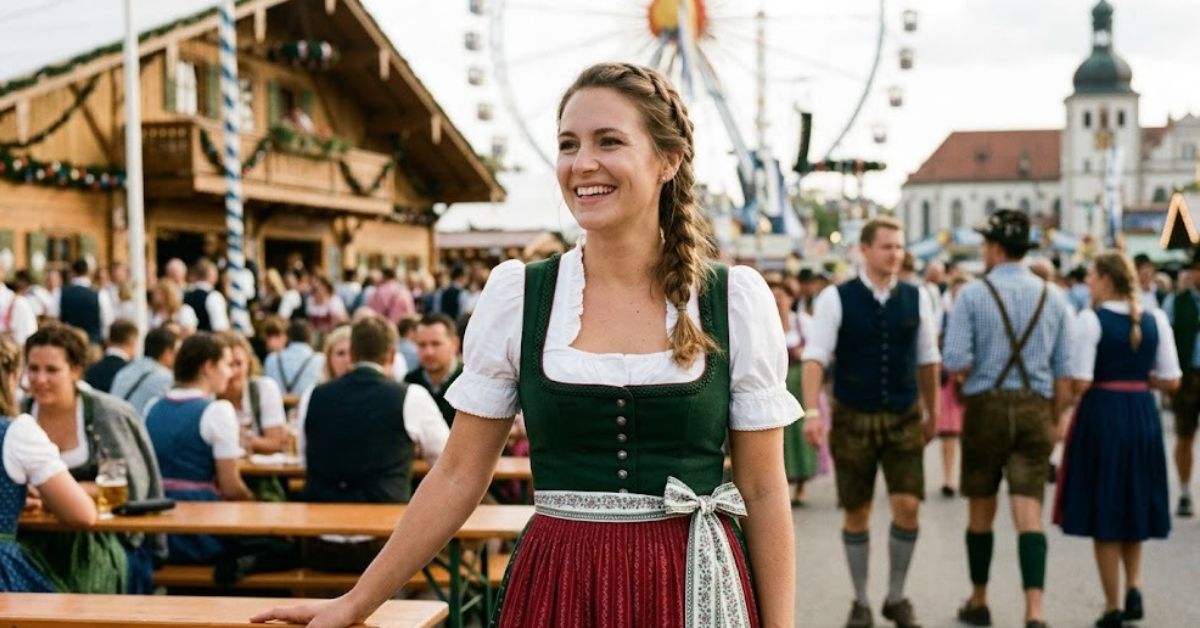
A dirndl is a traditional dress from Bavaria and Austria. Many people searching for the dirndl meaning quickly find that it consists of a fitted bodice, a white blouse, a full skirt, and an apron. That is the short answer. The longer answer where the history, the bow codes, and the Alpine traditions come together is where it gets really fun.
Plenty of people first meet the dirndl at Oktoberfest in Munich. They see rows of women in colorful dresses with neat bows on their aprons and they start to wonder what it all means. Is the dress a costume or everyday clothing? Why does the bow sit on one side? Where did it come from in the first place?
This article walks through all of that. You will see what the word dirndl means and how the dress began and how it spread across Bavaria and Austria and Switzerland. You will also learn what each bow position is said to mean and when people wear a dirndl and how to pick one if you want your own. Some parts of the story are well documented. Others are more tradition than rule. I will point out which is which as we go.
What Is a Dirndl and What Does the Word Mean
Here is a clean definition you can use anywhere. A dirndl is a traditional dress for women from the Alpine region. It combines a fitted bodice and a blouse and a full skirt and an apron. People link it most closely with Bavaria and Austria. Dirndl dress and dirndl dresses are just everyday ways to say the same thing.
Dirndl meaning in German and Bavarian dialect
The word dirndl comes from Bavarian dialect. It works as a small and friendly form of a word for girl and some sources connect it to the old word for a maid . In standard German you will often see Dirndlkleid or Dirndlgewand for the whole outfit . So a word that once meant something like little girl ended up naming the dress those girls wore. That is the part most people miss. The name and the clothing grew up in the same villages.
If you search to define dirndl you get the same two ideas again and again. It is a dress. And it is a piece of Bavarian culture.
The parts of a dirndl
Every dirndl is built from four pieces. Once you know them you can read almost any design.
| Part | German name | What it does |
|---|---|---|
| Bodice | Mieder | Fitted top that shapes the waist and often laces or hooks up the front |
| Blouse | Bluse | Usually white and worn under the bodice with sleeves that can be plain or puffed |
| Skirt | Rock | Full skirt gathered at the waist and cut in many lengths |
| Apron | Schürze | Tied over the skirt and carries the bow |
The bodice sets the shape. It gives the dress its feminine silhouette by pulling in the waist and lifting the chest. A square neckline is very common and it shows the top of the blouse and a bit of the décolletage. Higher cuts exist too and they feel more modest. The classic blouse is white though you will also see cream and colors and lace trim. Puff sleeves are a favorite on many blouses.
The skirt and apron finish the look. A wide apron adds contrast and shows where the waist sits. Some skirts hide a pocket on the side which turns out to be handy in a crowded beer tent . A few sellers list the dirndl blouse and the dirndl skirt and the dirndl apron as separate pieces so you can mix patterns. Check each product page for what comes in the set .
The History of the Dirndl From Alpine Work Dress to Munich Fashion
Alpine roots
The dirndl started as plain work clothing. Rural women and household maids in Tyrol and Bavaria and Austria wore simple dresses made from sturdy cloth. They needed something that moved well and washed well and did not cost much. An apron kept the skirt clean. Historians generally place the start of the dress in this working life of the Alpine region although exact dates are hard to pin down . That is where the maid connection comes from. The dress belonged to servants and farm helpers long before anyone called it fashion.
A summer fashion in the late 1800s
Things shifted in the late 1800s. Wealthier city families began to spend summers in the mountains and they loved the look of village clothing. They copied it in finer fabrics and brighter colors. Many accounts point to Vienna as an early center of this trend . So the dirndl went from work dress to holiday dress. It turned into a real fashion trend that still drew on folk culture.
The Wallach brothers and Munich
Munich played a big part too. Accounts often name the Wallach brothers as Munich merchants who helped bring Trachten clothing to a city audience . Details vary between sources so the exact story needs a careful read of a solid history.
The twentieth century and the Tracht revival
The early 1900s brought a wave of interest in regional dress. Gertrud Pesendorfer from Tyrol is often named in the story of that revival and her work in the 1930s is linked to the promotion of Tracht . That period overlaps with the Nazi era and historians still discuss how folk clothing was shaped and used at the time. It is a heavy part of the story and it deserves a careful source.
After the war the dirndl stayed in both everyday and festival wardrobes. In many villages women kept sewing a dirndl at home or ordered one from a local tailor . Newer cuts and fabrics followed over the decades and today the dress ranges from strict traditional styles to short modern ones.
Here is the thing about all this. A dress with such a long past carries meaning for the people who wear it. For many Bavarian women it links back to family and place. For visitors it is often a first look at Bavarian culture. Both views are fair.
Dirndl and Tracht Across Bavaria and Austria and Switzerland
Tracht is the German word for traditional regional dress. Trachten is the plural. The dirndl is one kind of Tracht and it sits beside many others.
Regions shaped their own details. Colors and fabrics and trim and apron styles can differ from one valley to the next. A dirndl from Bavaria may look different from one from Tyrol and a Swiss version can differ again . Some wearers can tell where a dress comes from just by its details. Austria and Switzerland and Bavaria each added their own habits across the German speaking world.
Men have their own version. Lederhosen for men are the usual partner to the dirndl at festivals and the two outfits share the same Tracht roots. If you want a simple side by side look at them read this page on the difference between lederhosen and dirndl.
Plenty of visitors call all of this traditional costume. For wearers it is often just traditional clothing for festive occasions and family events and village celebrations. The wording matters because it changes how the outfit is treated. A costume is something you put on for a party. Tracht is something many people grew up wearing. And that is worth remembering when you wear a dirndl yourself.
Dirndl Bow Meaning and What Each Side Says
The short answer is that tradition reads the apron bow as a sign of relationship status. Here is the version most people quote.
| Bow position | Traditional reading |
|---|---|
| Tied to the right | Married or taken |
| Tied to the left | Single |
| Center front | Very young or not yet available |
| Back | Widowed or working as a waitress |
Now the honest part. This is custom and not law. Sources do not always agree on the back position. Some link it to widows and others link it to staff in beer tents . Many modern wearers tie the bow where it looks best and never think about marital status. Plenty of visitors at Oktoberfest have no idea about it at all. Still it makes a fun detail to know. If a bow is tied to the right you might be looking at a married woman or at someone who simply likes the look.
Age does not change the code in the traditional version. Older women and younger women follow the same reading .
One small tip. Do not treat the code as an invitation to ask personal questions. It is a quiet tradition and it works best when people keep it light.
Tying the bow so it stays put takes some practice. This page on how to tie a dirndl apron bow covers the knot and the wider manners around the outfit are covered in a page on dirndl etiquette.
The Dirndl at Oktoberfest in Munich
Oktoberfest in Munich is where many people first see the dirndl in action. Walk into a beer tent and you will spot dresses everywhere. Many visitors wear one and so do many locals and many of the waitresses serving the tables . Oktoberfest dirndl and dirndl dress Oktoberfest are the phrases people type when they shop for the event.
So is it the official Oktoberfest costume? Not in a formal sense. Nothing says you must wear one to get in . It is widely worn and widely welcomed though and many people feel the day is more fun in festive clothing. That is a better way to say it than calling it official.
A few practical points. The bodice and blouse stay comfortable over a long day if the fit is right. Linen and cotton tend to breathe better than shiny synthetic cloth in a warm tent . Low heels or flat shoes work better when you stand and dance for hours.
Be careful with very cheap sets sold as a dirndl costume. Some look more like fancy dress than Tracht. Check the fabric and the cut before you buy.
And you are free to skip it. Not everyone wants a dirndl and visitors can still enjoy the festival in other clothes. This page on Oktoberfest without a dirndl covers the options.
Dirndl Designs and Styles From Fabric to Neckline
Not every dirndl looks the same. Dirndl designs vary a lot and a few details explain most of the differences.
Fabric comes first. Linen and cotton are common and some dresses use heavier cloth for the bodice and lighter cloth for the skirt . Lace trim shows up on blouses and bodice edges. Silky fabrics often appear on aprons.
Then comes length. Long skirts reach the calf or the ankle and feel very traditional. Shorter ones sit at the knee or above and read as modern. Both are common at festivals. A full skirt adds volume and movement either way.
Neckline and sleeves matter too. A square neckline is the classic. Puff sleeves on the blouse add a soft shape. Higher necklines give a more modest look.
Last comes the line between traditional and modern. A traditional dirndl usually follows a regional cut and fabric and trim. A modern one plays with color and length and pattern. Authentic dirndl is a loose phrase and sellers use it in very different ways . Ask what the dress is made from before you decide.
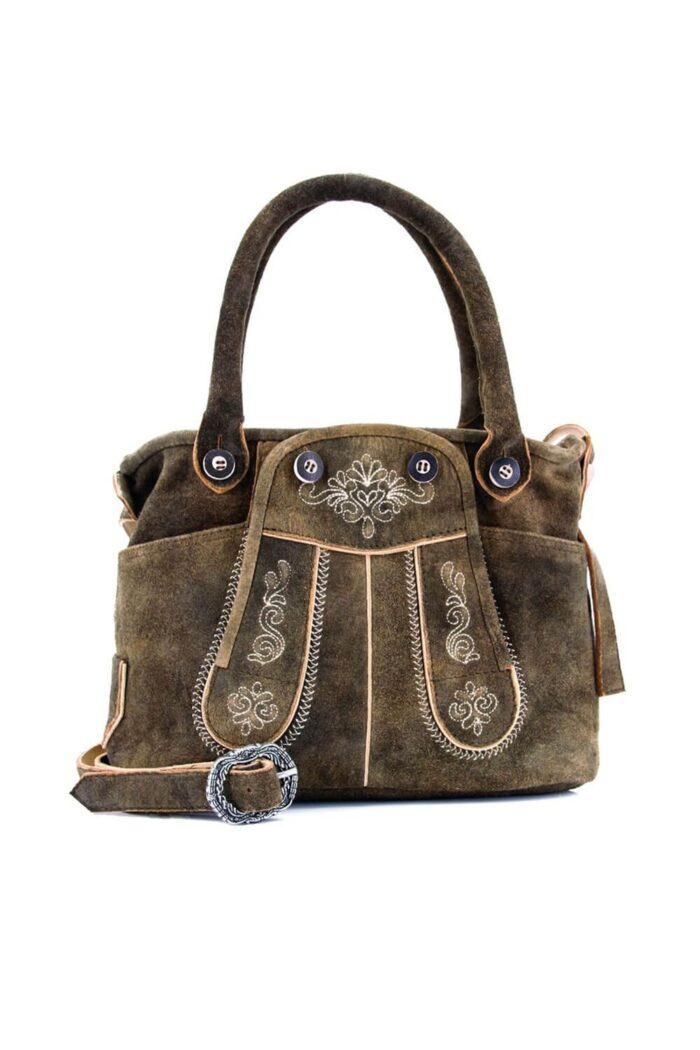
A full dirndl outfit usually includes more than the dress. Shoes and a bag and sometimes a small necklace finish the look. A simple outfit often looks better than a crowded one.
How to Choose and Wear a Dirndl
If you want your own start with fit. The bodice should sit snug without pinching and the waist seam should land near your natural waist. Check the skirt length for the way you plan to wear it. Match the blouse to the neckline since a high blouse under a low bodice looks off. Think about the event too. A beer tent day asks for different comfort than a family dinner. Wearing a dirndl feels easy once the fit is right.
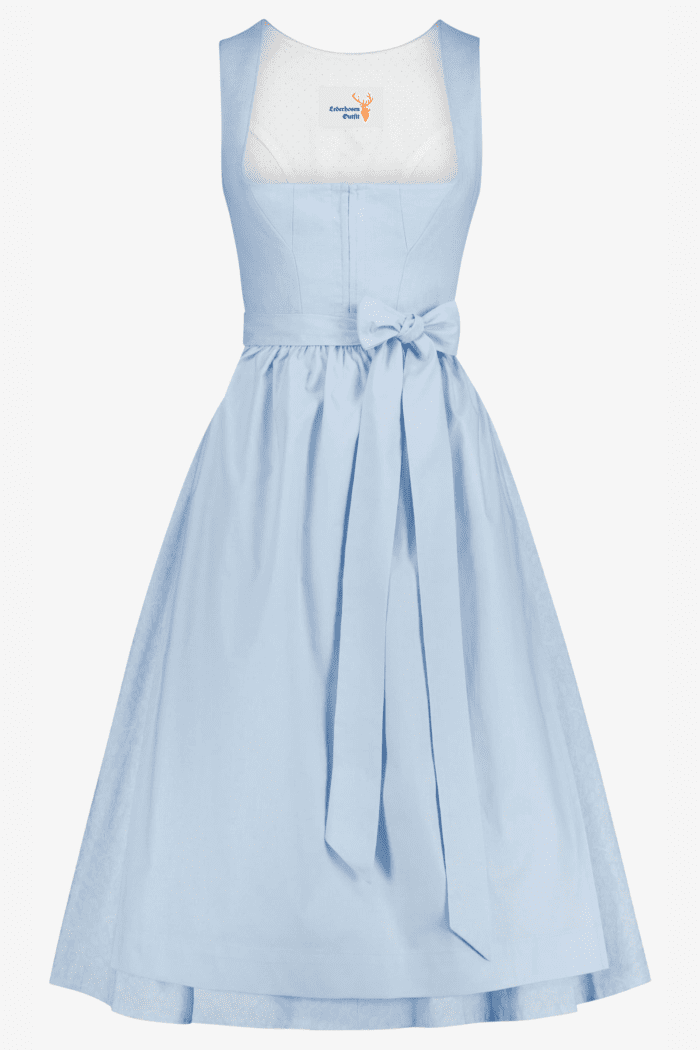
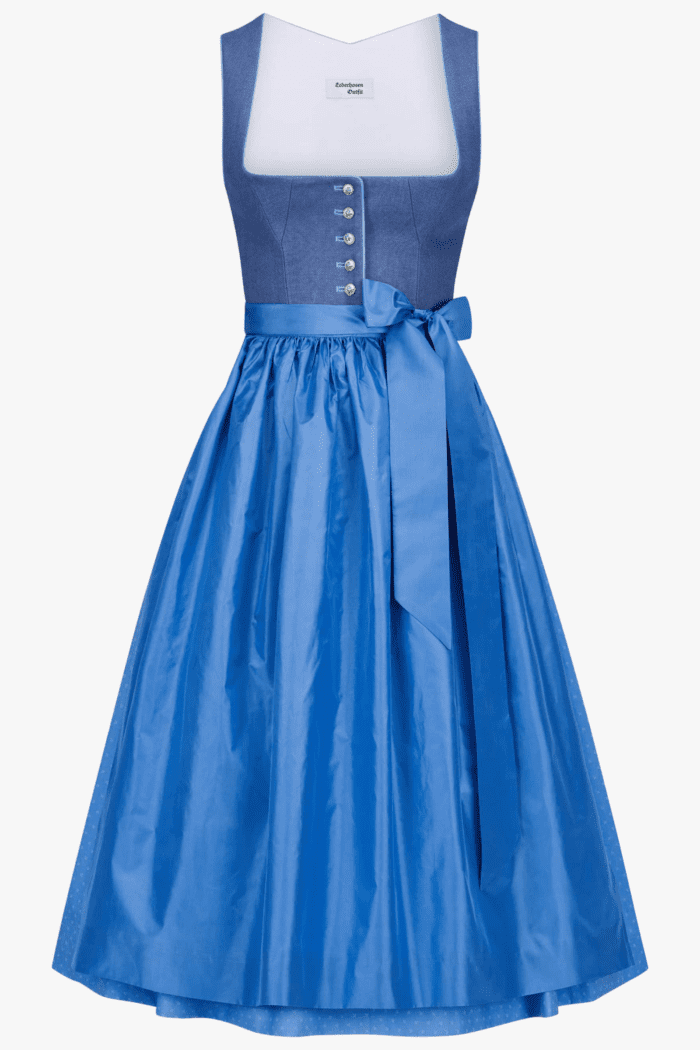
You can browse current styles in the dirndl dresses for women category and read each product page for fabric and size details . If you want help narrowing it down this page on finding your perfect dirndl walks through fit.
Recommended products
Dirndl FAQs
What does dirndl mean in German?
It is a Bavarian dialect word. It works as a small form of a word for girl and it is often linked to the word for a maid. In standard German the dress is often called Dirndlkleid .
What does the dirndl bow position mean?
Tradition says a bow tied to the right means married or taken and a bow on the left means single. Center front points to someone very young and the back points to a widow or a waitress. It is custom and not a rule.
Is a dirndl only worn at Oktoberfest?
No. People also wear it at village festivals and family events and weddings in Bavaria and Austria. Some wear it more often than that .
Is a dirndl a traditional German dress?
Yes. It is also an Austrian dress and it is tied to the whole Alpine region. Some Swiss regions have versions too .
What are the parts of a dirndl?
A bodice and a blouse and a full skirt and an apron. The bodice shapes the waist and the apron carries the bow.
What blouse goes with a dirndl?
A white blouse is the classic choice. Match the blouse cut to the neckline of the bodice. Puff sleeves and lace trim are common.
How long should a dirndl be?
There is no single rule. Long skirts feel traditional and knee length feels modern. Pick the length that fits the event and how you move.
Can women from outside Germany wear a dirndl?
Yes. Many visitors wear one at Oktoberfest. Treat it as real Tracht and not as a joke outfit and you will be fine.
Is there an official Oktoberfest costume?
No formal rule says so . The dirndl and lederhosen are simply the most common clothes at the festival.
Is dirndl singular and dirndls plural?
Yes. One dress is a dirndl and two or more are dirnd
