

Introduction
Traditional footwear plays an important role in preserving the cultural identity of communities around the world. From Scottish Ghillie Brogues to Dutch wooden clogs and Japanese Geta sandals, every region has developed shoe styles that reflect its history, environment, and way of life. Bavaria is no exception. Among its most recognizable traditions are Lederhosen shoes, which have become an enduring symbol of Bavarian heritage and Oktoberfest celebrations.
What makes Lederhosen shoes truly unique is the way they combine centuries-old craftsmanship with practical functionality. Originally designed for the demanding conditions of the Bavarian Alps, these shoes feature distinctive construction details, premium leather materials, and a timeless design that has remained relevant for generations. Their purpose extends beyond completing a traditional outfit—they represent a rich cultural legacy while providing the durability and comfort needed for everyday wear and festive occasions alike.
If you’re new to traditional Bavarian footwear, our guide on What Shoes to Wear with Lederhosen: The Complete Guide explains the different shoe options, including Haferlschuhe, leather boots, brogues, loafers, and sneakers. You can also explore our collection of authentic Lederhosen Shoes, designed to complement handcrafted Men’s Lederhosen for a complete Bavarian look.
In this guide, we’ll explore the history of Lederhosen shoes, examine the distinctive features that set them apart from other traditional footwear, and discover why they continue to be an essential part of Bavarian culture today.
The History Behind Lederhosen Shoes
Origins in the Bavarian Alps
The history of Lederhosen shoes begins in the rugged Bavarian Alps, where durable footwear was essential for everyday life. Farmers, hunters, shepherds, and craftsmen needed shoes that could withstand rocky terrain, changing weather, and long days of physical work. Traditional leather shoes quickly became the preferred choice because they provided protection, stability, and lasting durability while remaining practical for outdoor activities. Over time, these functional shoes became closely associated with the traditional clothing worn throughout Bavaria.
Designed for Daily Work
Unlike decorative footwear created solely for ceremonial occasions, Lederhosen shoes were originally built with practicality in mind. Thick leather uppers protected the feet from rough conditions, while sturdy soles offered reliable grip on uneven mountain paths. Distinctive features such as side lacing improved the fit and allowed greater flexibility, making the shoes comfortable enough for extended periods of walking and manual labor. Their simple yet effective design reflected the needs of hardworking Alpine communities, where quality and durability were valued above fashion.
Evolution into Traditional Festival Footwear
As Bavarian traditions became celebrated through festivals and cultural events, Lederhosen shoes gradually evolved from practical workwear into an essential part of traditional attire. While modern manufacturing has introduced subtle improvements in comfort and finishing, the defining characteristics of these shoes have remained remarkably consistent. Today, they continue to symbolize Bavarian heritage, pairing naturally with Lederhosen while honoring the craftsmanship and traditions that shaped their original purpose.
Unique Features That Set Lederhosen Shoes Apart
Distinctive Side-Lacing Design
One of the most recognizable features of traditional Lederhosen shoes is their unique side-lacing system. Unlike conventional dress shoes that use centered laces, many authentic Bavarian styles feature laces positioned along the side of the shoe. This distinctive construction originated as a practical solution for achieving a secure fit while allowing greater flexibility during long hours of walking across uneven Alpine terrain.
Beyond its functional purpose, the side-lacing design has become a defining characteristic of Bavarian footwear. It immediately distinguishes Lederhosen shoes from ordinary leather shoes and reinforces their traditional identity. Even today, this feature remains one of the easiest ways to recognize authentic Bavarian craftsmanship.
Premium Leather Construction
Leather has always been at the heart of traditional Lederhosen shoes. High-quality leather provides the durability needed for regular use while gradually molding to the wearer’s feet, creating a more personalized and comfortable fit over time. Full-grain and premium leather varieties are particularly valued because they develop a rich character as they age without sacrificing strength.
Unlike many modern synthetic materials, genuine leather also offers breathability and natural flexibility. These qualities have helped traditional Lederhosen shoes maintain their reputation for comfort and longevity, making them suitable for both cultural celebrations and everyday wear.
Durable Soles
Traditional Lederhosen shoes are designed to withstand demanding conditions. Their sturdy soles provide excellent stability and support, whether walking through festival grounds or navigating uneven outdoor surfaces. Earlier designs often featured thick leather soles, while many contemporary versions combine traditional craftsmanship with durable rubber outsoles to improve grip and extend the shoe’s lifespan.
This emphasis on durability reflects the practical origins of Bavarian footwear. Rather than following short-lived fashion trends, Lederhosen shoes were built to remain dependable for years, making them a lasting investment in both function and tradition.
Functional Yet Traditional Design
Perhaps the greatest difference between Lederhosen shoes and many other traditional footwear styles is their balance of functionality and timeless design. While they proudly reflect Bavarian heritage through their classic silhouette, leather construction, and handcrafted details, they also remain highly practical for modern use.
Their understated appearance allows them to complement traditional Bavarian clothing without appearing overly decorative, while their durable construction ensures they can handle the demands of festivals, cultural events, and regular wear. This unique combination of authenticity, comfort, and everyday practicality is what continues to set Lederhosen shoes apart from other traditional footwear around the world.
Lederhosen Shoes vs Other Traditional Footwear
Traditional footwear reflects the history, culture, and lifestyle of the people who wear it. While many countries have developed iconic shoe styles over the centuries, Lederhosen shoes stand out for their unique combination of practicality, craftsmanship, and timeless Bavarian design. Comparing them with other well-known traditional footwear highlights the qualities that make them truly distinctive.
Austrian Traditional Shoes
Bavaria and Austria share many Alpine traditions, so their footwear naturally has several similarities. Austrian traditional shoes are often made from genuine leather and are designed to complement Tracht clothing, much like Lederhosen shoes. However, Bavarian Lederhosen shoes are best known for their distinctive side-lacing construction, which has become a defining feature of authentic Haferlschuhe. Austrian styles, while equally elegant, often feature more decorative elements and regional variations in design. Both prioritize durability and comfort, but Bavarian footwear places a stronger emphasis on its iconic rustic appearance.
Dutch Wooden Clogs
Dutch wooden clogs, or Klompen, were originally created as protective work shoes for farmers and laborers. Unlike Lederhosen shoes, which are crafted from flexible leather, traditional clogs are carved from solid wood. This makes them extremely durable but considerably less flexible and less comfortable for prolonged walking. While clogs are closely associated with Dutch heritage and agriculture, Lederhosen shoes were developed to balance durability with comfort, making them practical for both everyday use and cultural celebrations.
Scottish Ghillie Brogues
Scottish Ghillie Brogues are another well-known example of traditional European footwear. Their long decorative laces and lightweight construction make them ideal for formal Highland dress and ceremonial occasions. Lederhosen shoes, by comparison, are built with thicker leather, sturdier soles, and a more rugged construction suited to outdoor environments. While both styles celebrate regional heritage, Ghillie Brogues emphasize elegance and formal tradition, whereas Lederhosen shoes prioritize practicality alongside authentic Bavarian craftsmanship.
English Brogues
English Brogues are recognized worldwide for their refined appearance and decorative perforations. Originally designed as outdoor country shoes, they have evolved into popular business and formal footwear. Lederhosen shoes differ in both appearance and purpose. Their handcrafted leather construction, side-lacing design, and traditional Bavarian styling create a more rustic character that complements Lederhosen rather than formal suits. Although both styles value quality leather and craftsmanship, Lederhosen shoes remain more closely connected to cultural identity and traditional Alpine attire.
Why These Differences Still Matter Today
Although footwear has evolved significantly over the years, the defining characteristics of Lederhosen shoes continue to make them relevant for modern wearers. Their traditional construction is not simply a reflection of history—it also provides practical benefits that explain why these shoes remain the preferred choice for Bavarian clothing and cultural celebrations.
Authentic Bavarian Identity
Lederhosen shoes are far more than accessories; they represent an important part of Bavarian heritage. Their distinctive side lacing, handcrafted leather construction, and timeless design preserve traditions that have been passed down for generations. Wearing authentic Bavarian footwear helps create a complete traditional outfit while honoring the cultural roots behind Lederhosen.
Comfort for Festivals
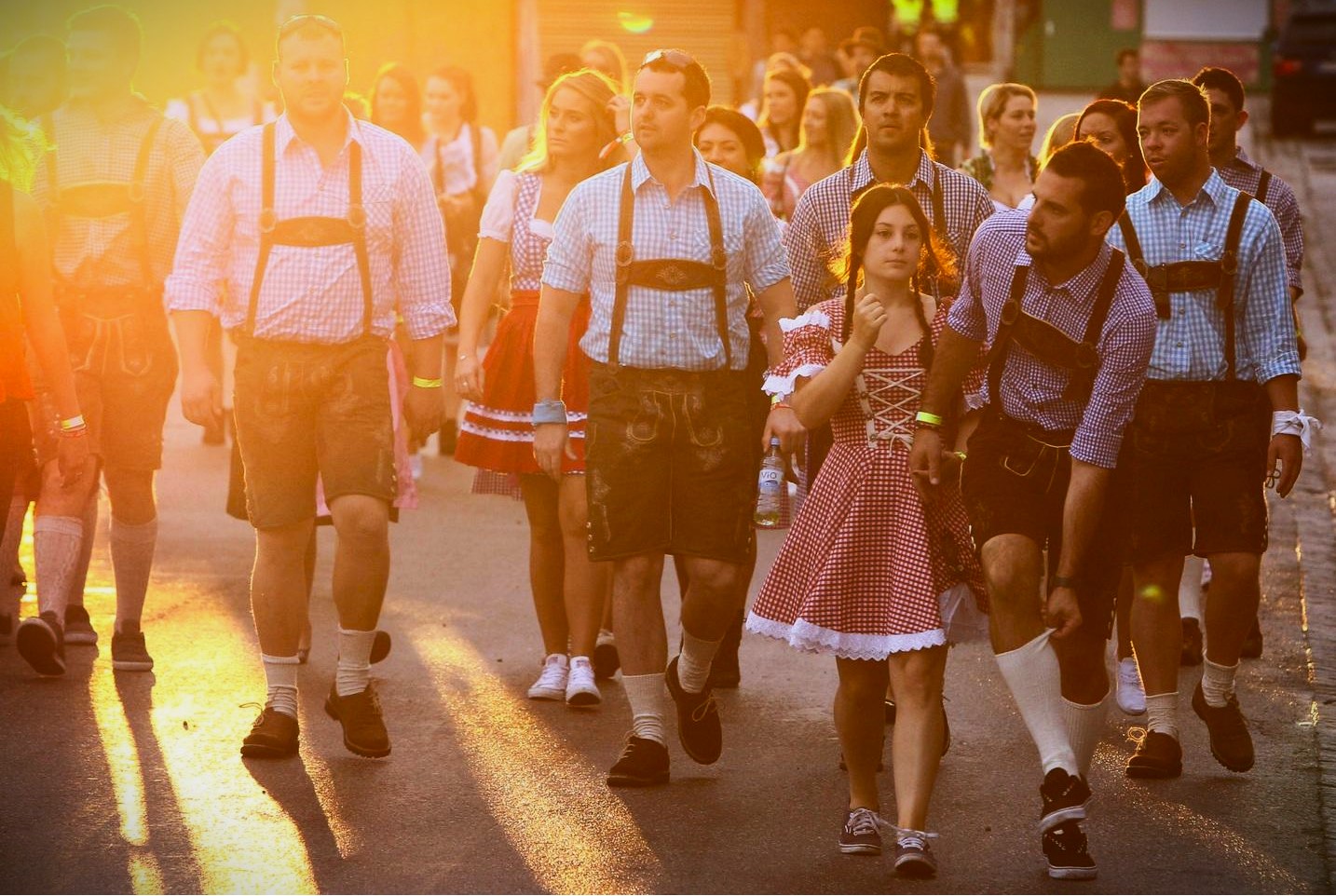
Modern festivals such as Oktoberfest often involve hours of walking, standing, and socializing. The practical design of Lederhosen shoes continues to provide the support and durability needed for these long celebrations. Their comfortable fit and sturdy construction demonstrate that traditional craftsmanship can still meet the needs of today’s wearers without sacrificing authenticity.
Lasting Craftsmanship
One of the reasons Lederhosen shoes have remained popular is their exceptional craftsmanship. High-quality leather, careful stitching, and durable construction allow them to maintain both their appearance and performance for many years. While modern manufacturers continue to introduce new materials and comfort features, the core principles of traditional Bavarian shoemaking remain unchanged. To see how classic craftsmanship is being combined with contemporary design, explore our guide to Lederhosen Shoes Trends: Modern Styles for Traditional Bavarian Attire.
Conclusion
Lederhosen shoes stand apart from other traditional footwear because they successfully combine history, functionality, and exceptional craftsmanship. From their distinctive side-lacing design and premium leather construction to their practical comfort and lasting durability, every element reflects the traditions of the Bavarian Alps.
Today, they remain one of the most recognizable symbols of traditional Bavarian attire, worn proudly at Oktoberfest and cultural celebrations around the world. While modern innovations continue to enhance comfort and style, the defining characteristics that have made Lederhosen shoes unique for generations remain at the heart of every authentic pair.
Frequently Asked Questions
1. What makes Lederhosen shoes different from other traditional footwear?
Lederhosen shoes are distinguished by their side-lacing design, premium leather construction, durable soles, and practical Bavarian craftsmanship, making them both functional and culturally significant.
2. Why do Lederhosen shoes have side laces?
Side lacing was originally designed to provide a secure, comfortable fit for people working in the Bavarian Alps. Today, it remains one of the defining features of authentic Haferlschuhe.
3. Are Lederhosen shoes only worn in Germany?
No. Although they originated in Bavaria, Lederhosen shoes are now worn throughout Germany, Austria, and by people attending Oktoberfest and Bavarian-themed events worldwide.
4. What type of leather is used for Lederhosen shoes?
Most traditional Lederhosen shoes are made from high-quality full-grain, cowhide, or suede leather, offering durability, flexibility, and long-lasting comfort.
5. Are Lederhosen shoes comfortable for walking?
Yes. Their supportive construction, sturdy soles, and quality leather make them comfortable for extended walking, especially after the leather has naturally molded to the wearer’s feet.
6. How are Lederhosen shoes different from Austrian shoes?
Both share Alpine influences, but Bavarian Lederhosen shoes are particularly recognized for their iconic side-lacing design, rugged appearance, and close association with Lederhosen attire.
7. Can Lederhosen shoes be worn casually?
Yes. Many traditional and modern Bavarian shoe styles can be paired with casual clothing, although they are most commonly worn with traditional outfits during festivals and cultural events.
8. Are traditional Lederhosen shoes handmade?
Many premium Lederhosen shoes are still handcrafted using traditional shoemaking techniques, although some modern versions are produced with a combination of handcrafted and machine-assisted processes.
9. Why are Lederhosen shoes considered authentic Bavarian footwear?
They originated in the Bavarian Alps and have been worn alongside Lederhosen for generations, making them an enduring symbol of Bavarian culture and traditional dress.
10. Do modern Lederhosen shoes still follow traditional designs?
Yes. While many modern versions include improved cushioning, lightweight materials, and updated comfort features, they continue to preserve the classic appearance and craftsmanship that define authentic Bavarian footwear.
