
Introduction
A Bavarian shirt is one of the most recognizable pieces of traditional German clothing, serving as the perfect companion to a classic Lederhosen outfit. While Lederhosen often take center stage, the right shirt brings the entire ensemble together, creating the authentic Bavarian appearance associated with Oktoberfest, folk festivals, and Alpine celebrations. From timeless white shirts to iconic checkered designs, Bavarian shirts combine traditional craftsmanship with everyday comfort, making them an essential part of German heritage.
Beyond their distinctive appearance, Bavarian shirts are designed for both style and practicality. Their comfortable fabrics, classic cuts, and traditional details make them suitable for long festival days while preserving the cultural character of traditional Bavarian attire. Whether you’re dressing for Oktoberfest or simply embracing German tradition, selecting the right shirt helps complete a polished and well-balanced outfit.
In this guide, you’ll learn everything you need to know about Bavarian shirts, including their traditional features, different styles, how to choose the right one, and the best ways to pair them with Lederhosen. For a complete overview of traditional clothing and accessories, explore our What to Wear with Lederhosen: A Complete Outfit Guide. You can also browse our collection of Bavarian Shirts to find authentic styles that pair perfectly with Men’s Lederhosen.
What Is a Bavarian Shirt?
A Bavarian shirt is a traditional garment worn with Lederhosen and other forms of Trachten clothing throughout Bavaria and the Alpine regions. Recognized for its timeless design, comfortable fabrics, and distinctive details, it has become an essential part of traditional German fashion. Although modern variations are available, classic Bavarian shirts continue to reflect centuries of craftsmanship while remaining practical for festivals, celebrations, and everyday wear.
Traditional Bavarian Shirt Explained
Traditional Bavarian shirts originated as practical garments worn by farmers, hunters, and Alpine communities who needed comfortable clothing suited to daily life. Over time, these functional shirts evolved into an iconic element of Trachten, the traditional clothing of Bavaria. Today, they are worn during Oktoberfest, cultural festivals, weddings, and other celebrations, symbolizing regional pride and preserving a long-standing Bavarian tradition.
Designed to complement Lederhosen rather than overshadow them, Bavarian shirts emphasize simplicity, quality, and classic styling. Their clean appearance allows the craftsmanship of the leather garments to remain the focal point while creating a refined and authentic outfit.
Key Features
Bavarian shirts are distinguished by several traditional design elements. They are commonly made from breathable cotton or linen, offering comfort throughout long days of wear. Many styles feature classic stand-up or turn-down collars, durable buttons, and a relaxed fit that allows for easy movement.
Some traditional designs also include subtle embroidery inspired by Alpine motifs, adding decorative character without becoming overly elaborate. These details, combined with high-quality materials and careful craftsmanship, give Bavarian shirts their timeless appeal while remaining practical for both casual and formal traditional occasions.
Why It’s Different from Regular Shirts
Unlike standard dress shirts designed for business or formal occasions, Bavarian shirts are created specifically to complement traditional German clothing. Their relaxed fit, natural fabrics, and heritage-inspired details make them better suited to Lederhosen and other Bavarian attire.
Beyond appearance, a Bavarian shirt represents cultural tradition as much as style. Every design element—from the choice of fabric to the collar, buttons, and decorative embroidery—reflects the heritage of Bavaria while providing the comfort needed for festivals, celebrations, and everyday traditional wear. This combination of authenticity, functionality, and timeless design continues to make the Bavarian shirt an essential part of traditional German fashion.
Types of Bavarian Shirts
Bavarian shirts are available in several traditional styles, each suited to different occasions and personal preferences. While they all share the same heritage and craftsmanship, variations in color, fabric, and decorative details allow you to choose a shirt that best complements your Lederhosen and the event you’re attending. Whether you prefer a timeless classic or a more rustic design, understanding the different types of Bavarian shirts helps you build an authentic and versatile wardrobe.
White Bavarian Shirts
The white Bavarian shirt is the most traditional and versatile choice. Its clean, timeless appearance pairs effortlessly with Lederhosen in virtually any color, making it suitable for Oktoberfest, weddings, cultural festivals, and formal Bavarian celebrations. Many white shirts feature subtle embroidery, horn-style buttons, or traditional collars that add character while maintaining an elegant look. Their simplicity allows the craftsmanship of the Lederhosen to remain the focal point of the outfit.
Checkered Bavarian Shirts
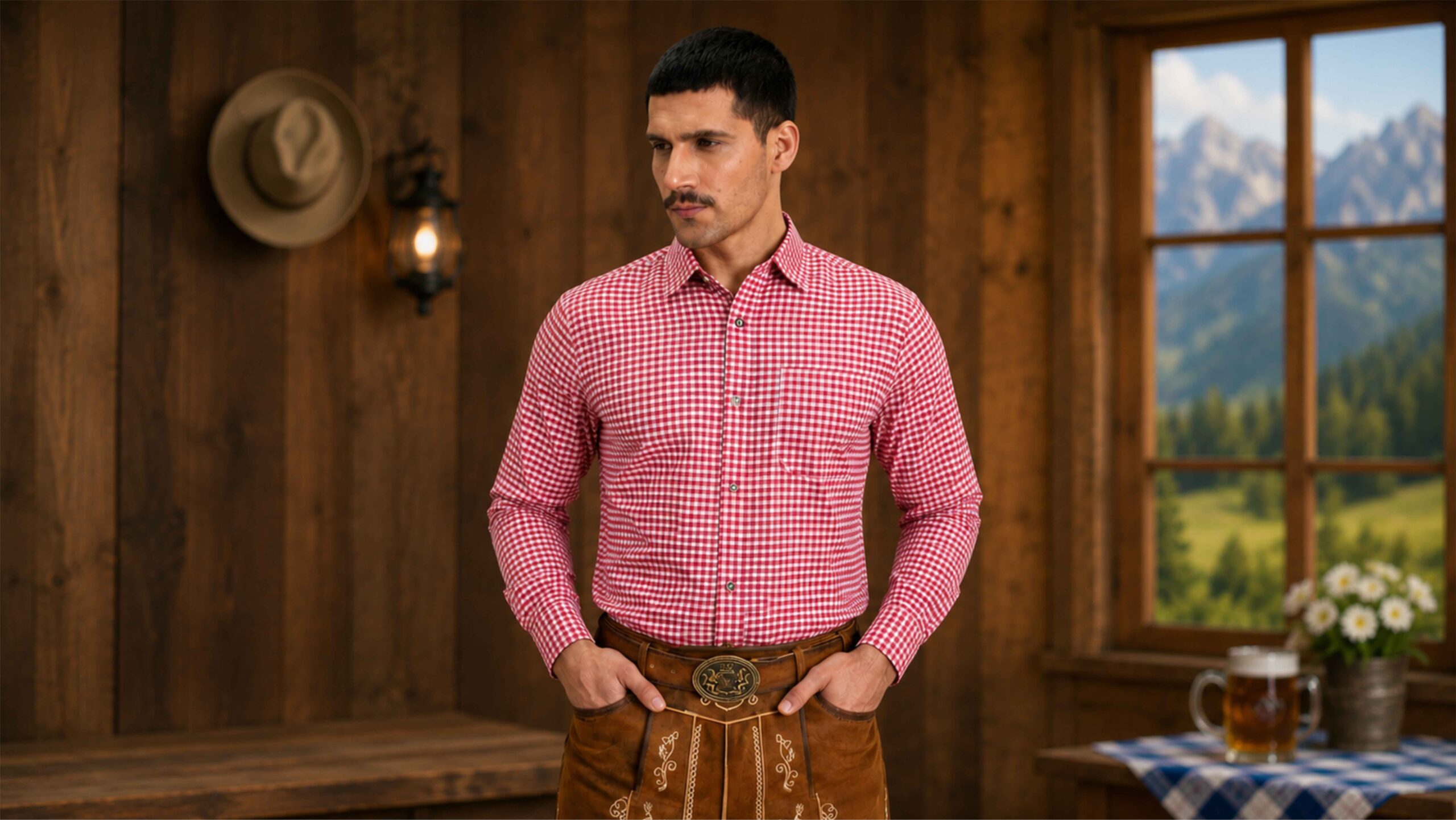
Checkered shirts are among the most recognizable styles in Bavarian fashion. Available in classic colors such as blue, red, and green, they create a relaxed yet authentic appearance that’s perfect for Oktoberfest, beer gardens, folk festivals, and casual gatherings. Their distinctive patterns add personality to traditional attire while preserving the rustic charm associated with Alpine culture. Checkered Bavarian shirts are especially popular for their ability to balance tradition with everyday wearability.
Linen Bavarian Shirts
Linen Bavarian shirts are valued for their lightweight feel and excellent breathability, making them ideal for warm weather and outdoor celebrations. The natural texture of linen complements the rustic character of traditional Bavarian clothing while offering exceptional comfort during long festival days. Their relaxed appearance works well for both casual events and more refined traditional occasions, making them a practical choice throughout the warmer months.
Embroidered Shirts
Embroidered Bavarian shirts showcase traditional craftsmanship through decorative Alpine-inspired patterns, often featured on the collar, chest, or cuffs. These refined details give the shirt a more distinctive appearance without becoming overly decorative. Embroidered styles are well suited for formal celebrations, cultural events, and special occasions where traditional elegance is especially appreciated. Their timeless design also makes them a versatile addition to any Bavarian wardrobe.
How to Choose the Right Bavarian Shirt
Selecting the right Bavarian shirt goes beyond choosing a color or pattern. The ideal shirt should provide comfort, complement your Lederhosen, and suit the occasion you’re attending. By considering fit, fabric, and purpose, you can choose a shirt that offers both authentic style and lasting practicality.
Choose the Right Fit
A Bavarian shirt should fit comfortably without being excessively tight or overly loose. A well-fitting shirt allows freedom of movement while maintaining a clean, traditional appearance. The sleeves should sit naturally, and the shoulders should fit comfortably without restricting movement, ensuring the shirt remains comfortable throughout long days at Oktoberfest or other festivals.
Select the Best Fabric
Cotton and linen are the two most common materials used for traditional Bavarian shirts. Cotton offers softness, durability, and versatility, making it an excellent choice for year-round wear. Linen provides superior breathability and moisture management, making it especially comfortable during warm-weather celebrations and outdoor festivals. Choosing the right fabric depends largely on the climate and how frequently you plan to wear the shirt.
Consider the Occasion
Different occasions call for different shirt styles. A crisp white or embroidered Bavarian shirt is ideal for formal celebrations, weddings, and traditional ceremonies, while checkered shirts create a more relaxed appearance for Oktoberfest, beer gardens, and casual gatherings. If you’re looking for detailed advice on selecting the perfect style, fit, and fabric for your needs, read our How to Choose the Right Bavarian Shirt for Your Lederhosen Outfit guide, which explores each factor in greater depth.
Choosing the Best Shirt Colors
The color of your Bavarian shirt plays an important role in creating a well-balanced traditional outfit. While personal preference certainly matters, some colors have become timeless favorites because they pair naturally with Lederhosen and suit a wide variety of Bavarian occasions. Choosing a shirt that complements your leather garments rather than competing with them helps create an authentic and polished appearance.
White Shirts
White is the most traditional and versatile color for a Bavarian shirt. Its clean, classic appearance complements both light and dark Lederhosen, making it suitable for Oktoberfest, weddings, cultural festivals, and formal celebrations. A white shirt also highlights the craftsmanship of leather garments without drawing attention away from them. Because of its timeless style, it’s often the first choice for those building a traditional Bavarian wardrobe.
Blue Checkered Shirts
Blue checkered shirts are a classic favorite for relaxed Bavarian gatherings. Their distinctive pattern adds character while maintaining a traditional appearance that pairs naturally with brown leather Lederhosen. The combination creates a balanced, rustic look that is especially popular for Oktoberfest, beer gardens, and outdoor festivals. Blue checks also offer excellent versatility, making them easy to wear for both traditional events and casual occasions.
Red Checkered Shirts
Red checkered Bavarian shirts bring warmth and vibrant character to a traditional outfit without sacrificing authenticity. They coordinate particularly well with medium and dark brown leather, creating a bold yet balanced appearance. This style is commonly seen during Oktoberfest and other festive celebrations where colorful traditional clothing is embraced while still respecting Bavarian heritage.
Earthy & Neutral Colors
Earthy tones such as beige, olive, cream, and light brown offer a subtle alternative to classic white and checkered designs. These natural colors blend effortlessly with traditional leather garments while creating a refined and understated appearance. Their versatility makes them suitable for a variety of occasions, from casual Alpine gatherings to cultural celebrations. If you’d like a more detailed comparison of traditional shirt colors and when to wear each one, explore our What Color Shirt to Wear with Lederhosen guide.
Matching Bavarian Shirts with Lederhosen
Choosing the right Bavarian shirt is only part of creating an authentic outfit. The way your shirt coordinates with your Lederhosen and traditional accessories has a significant impact on the overall appearance. Rather than matching every item perfectly, focus on creating harmony between colors, materials, and classic Bavarian details for a timeless look.
Match Leather Colors
The color of your Lederhosen should guide your shirt selection. Brown leather pairs beautifully with white, blue checkered, red checkered, and earthy-toned shirts, creating the warm, rustic appearance commonly associated with traditional Bavarian clothing. Black Lederhosen work especially well with crisp white shirts or more understated neutral colors, producing a refined contrast while maintaining an authentic look. Whether you’re wearing classic Men’s Lederhosen or traditional Bundhosen, coordinated colors help create a polished outfit without appearing overly matched.
Coordinate Suspenders
Traditional suspenders are an important part of many Lederhosen outfits and should complement both the shirt and leather garments. Leather suspenders in matching or similar tones create visual consistency while preserving the outfit’s traditional character. The shirt should provide a balanced backdrop that allows embroidered suspenders and leather details to stand out naturally. Choosing the right Lederhosen Suspenders helps complete the outfit while maintaining an authentic Bavarian style.
Complete the Outfit
A complete Bavarian outfit is achieved through thoughtful coordination rather than exact matching. Traditional shoes, quality belts, classic hats, and well-chosen Lederhosen Socks should all complement the shirt and Lederhosen using similar colors and materials. Earthy leather tones, natural fabrics, and understated accessories work together to create a cohesive appearance that feels authentic and comfortable. By focusing on overall balance instead of identical colors, you can build a timeless Bavarian outfit suitable for Oktoberfest, folk festivals, weddings, and many other traditional celebrations.
Traditional vs. Modern Bavarian Shirts
Bavarian shirts have evolved over time, offering both classic traditional designs and modern interpretations. While both styles can be paired with Lederhosen, they differ in appearance, construction, and the occasions they’re best suited for. Understanding these differences helps you choose a shirt that matches your personal style while respecting Bavarian tradition.
Traditional Shirts
Traditional Bavarian shirts are designed to reflect the heritage of Alpine clothing. They typically feature natural fabrics such as cotton or linen, classic collars, horn-style buttons, and subtle embroidery inspired by Bavarian craftsmanship. White and checkered patterns remain the most recognizable choices, making them ideal for Oktoberfest, cultural festivals, weddings, and other traditional celebrations. Their timeless appearance emphasizes authenticity while complementing Lederhosen without overpowering the outfit.
Modern Alternatives
Modern Bavarian-inspired shirts retain some traditional elements while incorporating contemporary fits, lighter materials, and simplified designs. These shirts often feature slimmer cuts and fewer decorative details, making them suitable for casual gatherings or those who prefer a more modern look. Although they offer excellent comfort and versatility, they may not fully capture the traditional character associated with authentic Bavarian attire.
Which One Should You Choose?
The right choice depends on the occasion and the appearance you want to achieve. Traditional Bavarian shirts remain the preferred option for authentic cultural events and anyone seeking a classic Oktoberfest outfit. Modern alternatives are a practical choice for casual wear while still reflecting Bavarian inspiration. If you’d like a more detailed comparison of both styles, including their features, advantages, and best uses, read our German Bavarian Shirts vs. Modern Dress Shirts: What’s the Difference? guide.
Caring for Your Bavarian Shirt
Proper care helps preserve the appearance, comfort, and longevity of your Bavarian shirt. Whether it’s made from cotton or linen, following a few simple maintenance practices keeps the fabric looking fresh while protecting traditional details such as embroidery and decorative buttons. With the right care, a quality Bavarian shirt can remain a lasting part of your traditional wardrobe.
Washing
Always check the care label before washing your Bavarian shirt. Cotton shirts are generally easy to care for and can usually be washed in cool or lukewarm water using a gentle cycle. Linen shirts should also be washed gently to preserve their natural fibers and prevent excessive shrinking. If your shirt features embroidered details, turning it inside out before washing helps protect the stitching from unnecessary wear.
Drying
Air drying is the best method for both cotton and linen Bavarian shirts. Hanging the shirt naturally helps maintain its shape while reducing the risk of shrinkage caused by high heat. If using a dryer is necessary, select a low-heat setting to help preserve the fabric’s quality and prevent damage to embroidered areas or decorative details.
Ironing
Cotton shirts can usually be ironed on a medium heat setting, while linen shirts often require slightly higher heat or light steam to remove wrinkles effectively. When ironing embroidered sections, place a cloth over the design or iron the garment from the reverse side to help protect the decorative stitching and maintain its appearance.
Storage
Store your Bavarian shirt on a quality hanger in a cool, dry place to help maintain its shape. Ensure the shirt is completely clean and dry before storing it for an extended period, as moisture can damage both cotton and linen fabrics. Proper storage also helps preserve embroidery, collars, buttons, and other traditional details, allowing your shirt to remain in excellent condition for many Oktoberfest celebrations and cultural events to come.
Common Mistakes When Wearing Bavarian Shirts
A Bavarian shirt is designed to complement Lederhosen and complete a traditional German outfit. However, even a high-quality shirt can lose its impact if it’s styled incorrectly. Avoiding a few common mistakes helps create a balanced, authentic appearance while respecting the timeless character of Bavarian clothing.
Wearing Formal Office Shirts
One of the most common mistakes is replacing a traditional Bavarian shirt with a standard office dress shirt. Business shirts often feature modern cuts, stiff collars, and formal styling that don’t blend naturally with Lederhosen. A traditional Bavarian shirt is specifically designed with heritage-inspired details, relaxed proportions, and natural fabrics that complement the rustic appearance of Bavarian clothing.
Poor Color Coordination
Choosing a shirt that clashes with the color of your Lederhosen can make the outfit appear unbalanced. Bright or highly contrasting colors may distract from the traditional look instead of enhancing it. Classic shades such as white, blue checkered, red checkered, and earthy tones coordinate more naturally with leather garments, creating a harmonious and timeless appearance.
Wrong Fit
An ill-fitting shirt can affect the overall appearance of your outfit. Shirts that are too tight may feel uncomfortable and restrict movement, while oversized shirts can appear untidy and hide the clean lines of traditional clothing. A properly fitted Bavarian shirt should provide comfort while maintaining a neat and balanced silhouette that complements your Lederhosen.
Ignoring Traditional Details
Traditional design elements such as horn-style buttons, embroidered accents, classic collars, and natural fabrics contribute to the authentic character of a Bavarian shirt. Overlooking these details in favor of heavily modern designs can reduce the traditional appeal of your outfit. Choosing shirts with timeless craftsmanship helps preserve the authentic Bavarian style while creating a polished and cohesive appearance.
Conclusion
A Bavarian shirt is much more than a simple piece of clothing—it’s an essential part of creating an authentic traditional German outfit. From classic white and checkered designs to breathable linen and embroidered styles, the right shirt enhances both the appearance and comfort of your Lederhosen ensemble.
Choosing a shirt that suits the occasion, fits properly, and coordinates naturally with your Lederhosen and accessories helps create a balanced, timeless look. Paying attention to traditional colors, quality materials, and authentic design details ensures your outfit reflects the heritage and craftsmanship of Bavarian fashion.
Whether you’re preparing for Oktoberfest, a cultural celebration, or simply embracing traditional German style, investing in the right Bavarian shirt allows you to enjoy a classic appearance that remains stylish, comfortable, and true to Bavarian tradition.
Frequently Asked Questions
1. What is a Bavarian shirt?
A Bavarian shirt is a traditional German shirt designed to be worn with Lederhosen and other Trachten clothing. It typically features classic colors, natural fabrics, and heritage-inspired details such as embroidery or horn-style buttons.
2. What shirt should you wear with Lederhosen?
Traditional Bavarian shirts made from cotton or linen are the best choice. White shirts and classic checkered designs are especially popular because they complement Lederhosen while maintaining an authentic Bavarian appearance.
3. Are checkered Bavarian shirts traditional?
Yes. Blue, red, and green checkered shirts have long been associated with Bavarian clothing and remain a popular choice for Oktoberfest, folk festivals, and casual traditional events.
4. Is a white Bavarian shirt suitable for Oktoberfest?
Absolutely. A white Bavarian shirt is one of the most versatile and traditional options for Oktoberfest, pairing beautifully with both light and dark Lederhosen.
5. Can I wear a modern dress shirt with Lederhosen?
You can, but a traditional Bavarian shirt is generally recommended because it’s specifically designed to complement Lederhosen and preserve the authentic character of the outfit.
6. What material is best for a Bavarian shirt?
Cotton is ideal for year-round comfort and durability, while linen is an excellent choice for warm weather because it’s lightweight and highly breathable.
7. Should my shirt match my Lederhosen?
Your shirt doesn’t need to match your Lederhosen exactly. Instead, choose colors and materials that coordinate naturally to create a balanced and authentic appearance.
8. Can I wear a Bavarian shirt without Lederhosen?
Yes. Bavarian shirts can be worn with jeans, chinos, or other casual trousers, although they’re traditionally paired with Lederhosen for festivals and cultural celebrations.
9. How should a Bavarian shirt fit?
A Bavarian shirt should fit comfortably with enough room for movement while maintaining a clean, tailored appearance. It shouldn’t be excessively tight or overly loose.
10. How do I care for a traditional Bavarian shirt?
Follow the care instructions on the label, wash cotton and linen fabrics gently, air dry whenever possible, iron at the appropriate temperature, and store the shirt on a hanger to help maintain its shape and quality.
