

Cheers in German is Prost. Say it like “prohst” and keep the t at the end short and clean. You will also hear Zum Wohl at dinner tables and Ein Prosit in beer tents at Oktoberfest. That is the short version.
The longer version is more fun. A German toast isn’t only a word. It is a small ritual with a raised glass and eye contact and a clink and a sip. Skip one part and people notice. So here is how to say cheers in German and when each phrase fits and how to clink glasses without feeling awkward.
How to Say Cheers in German: The Quick Answer
If you only remember one thing remember Prost. It is the go to German word for cheers and it works with beer and wine and a shot of schnapps. Nobody will blink if you use it at a bar in Berlin or a beer garden in Munich or a living room full of German friends.
Here is a quick table for the phrases you will actually run into.
| Phrase | What it means | Sounds like | Best moment |
|---|---|---|---|
| Prost | Cheers | prohst | Beer with friends and any casual round |
| Prosit | Cheers (a bit longer and more festive) | PROH zit | Festivals and tent songs |
| Ein Prosit | A toast (the full festive version) | ine PROH zit | Oktoberfest and big celebrations |
| Zum Wohl | To your good health | tsoom vohl | Dinners and wine and polite company |
| Gesundheit | Health | guh ZOONT hite | Mostly after a sneeze |
That last row trips people up. We will get to it. First let us look at what these words actually mean.
What Does Prost Mean? Prost vs Prosit
Prost: the everyday German word for cheers
Prost is the most common word for cheers in German. It is short and friendly and works across almost every drinking situation. You will hear it when the first round arrives and again when somebody finishes a story and everyone wants to toast it.
Linguists usually trace it back to the Latin word prosit. It is generally understood as a wish along the lines of “may it do you good.” Prost is simply the trimmed down spoken form. Keep that in your pocket if you are into language learning since it explains why the two words feel related.
Prosit and Ein Prosit: the festive version
Prosit is the longer cousin. You will see it written out in toasts and songs and printed on festival signs. And when somebody says “Ein Prosit” they mean a toast. Literally “a prosit.”
The best known example is “Ein Prosit der Gemütlichkeit.” Gemütlichkeit is one of those German words that doesn’t translate neatly. It is that warm and cozy and relaxed feeling you get when good people are sitting close together with a drink. We will come back to it in the Oktoberfest section.
A small grammar note for anyone learning German. In “der Gemütlichkeit” the word “der” is part of a genitive phrase so the toast reads roughly as “a toast to coziness.” You don’t need the grammar to say it. But it is a nice detail to know.
How to Pronounce Prost and Prosit and Zum Wohl
Pronunciation is where most learners get nervous about new vocabulary. It shouldn’t be a big deal. These three phrases are short.
Prost. One syllable. The “pr” is a quick roll into “ohst.” Linguists write it as /pʀoːst/ but “prohst” gets you there. The common mistake is swallowing the final t. Say it clearly when the glasses touch.
Prosit. Two syllables with the stress on the first. “PROH zit.” The s turns into a z sound which surprises English speakers.
Zum Wohl. Two short words that land in two beats. “Tsoom vohl.” The German w sounds like an English v and the stress lands on “Wohl.” Don’t say “zoom whole” or you will get a smile.
Honestly the best practice is just saying them out loud a few times before a trip. Ten seconds in the mirror beats ten minutes of worrying.
Zum Wohl and Gesundheit and Other Ways to Say Cheers in German
Zum Wohl: the polite option
Zum Wohl means roughly “to your wellbeing.” It is a bit more formal than Prost and fits a dinner or any sit down meal with a host or a glass of wine with colleagues. If you are not sure how casual the table is Zum Wohl is the safer pick.
You will sometimes hear longer versions that address one person directly. They follow the same idea. If a German friend uses one at your table you can just answer with Prost or Zum Wohl and you are fine.
Gesundheit: why it isn’t the default toast
English speakers know this word as the thing you say after a sneeze. In German it means “health” and that is exactly how Germans use it most of the time. Someone sneezes. Someone says Gesundheit.
Can it work as a toast? In the sense of “to your health” the idea fits. But it isn’t the usual go to so Prost or Zum Wohl will sound more natural. If you want to say cheers in German and sound like you have done it before stay with those two.
Casual and regional variations
German has a wide variety of regional flavors and drinking phrases are no exception. Bavarians have their own way of talking and you will catch it in the tents at Oktoberfest. A few friendly shortcuts exist too. If you meet one at the table just smile and clink. Prost still works everywhere.
How to Clink Glasses in Germany: Step by Step
The word is only half the job. The clink matters just as much. Here is the simple version.
- Raise your glass to about chest height. Hold it by the stem or the handle.
- Look at the person you are clinking with. Make eye contact and keep it.
- Say Prost or Zum Wohl clearly.
- Bring the glasses together gently. With a heavy mug a light tap is plenty.
- Take a sip. Not a gulp. A real sip then another look at the person.
- Set the glass down. Some people tap the bottom of the glass on the table first and then put it down.
Do this with everyone at the table if the gathering is small. With a big group a general raise of the glasses is fine and you can clink with the people nearest you.
Why the eye contact? Plenty of Germans will tell you it is simply polite. You are toasting a person and not a drink. There is also an old superstition that skipping it brings bad luck. Whether you believe that or not it is a pleasant habit and it takes two seconds.
German Drinking Culture and Toast Etiquette
Toasting is a big part of German culture and people enjoy getting it right.
When to say cheers
The first round gets a toast. A new round often does too. And if the host raises a glass to say something nice you join in. That is about it.
You don’t need to toast every single sip. A lot of the time it is simply a way to start. Once everyone has said Prost and taken a first sip the table relaxes and the evening goes on.
Beer and wine and everything else
Beer and wine both get toasts and so does a sparkling drink. Wine at a dinner leans toward Zum Wohl. Beer with friends leans toward Prost. For German beer like the pale lager from Munich called helles or any other beer on the table the same rules hold. Clink and look and sip.
What about someone who isn’t drinking alcohol? They can still clink. The word and the moment matter more than what is in the glass. A soft drink or a sparkling water is totally fine. You will sometimes hear that clinking with water brings bad luck. It is a folk saying and nobody at a modern table is going to be upset about it.
Visiting Germany: what to expect
If you are visiting Germany you will probably notice that people take the ritual a bit more seriously than in the US. Not stiffly. Just carefully. They look at you when they clink. They wait for everyone to be served before the first sip.
Don’t worry about perfection. Just embrace the ritual. A guest who tries is always welcome. If you mess up the timing nobody will say a word. They will just show you the way it is usually done and carry on.
Cheers at Oktoberfest: Ein Prosit and the Tent Toast
Oktoberfest is where most people first meet a German toast. It is loud and warm and slightly chaotic. In Munich locals call the festival the Wiesn. That is short for the Theresienwiese which is the big field where it all happens.
Ein Prosit der Gemütlichkeit
At Oktoberfest the band plays a toast song about coziness and good company. People raise their mugs and sing along or shout along and clink. If you have ever searched for German Oktoberfest music this is the one you will hear again and again through the afternoon.
You don’t have to know the words. Just lift your mug and say Prost at the right moment and you are part of the room.
O’zapft is: the opening phrase
You will also see the phrase “O’zapft is” in anything about the festival. It is Bavarian for “it is tapped” and the “is” there stands in for the standard German “ist.” It is the line tied to the opening of the first keg and it kicks off the festival. It isn’t a toast though. Save your Prost for the clinking that follows.
Clinking a Maß
A Maß is the one liter beer mug used in the tents. It is heavy. Real heavy. So go easy when you clink and keep a firm hand on the handle. A gentle tap carries the same meaning as a loud bang and it keeps your beer in the mug.
If you want another handy German phrase for the day take a look at how to say happy Oktoberfest in German. And if you are curious about the wider customs behind the festival there is more in our post on Oktoberfest traditions. Hungry too? Check out the traditional Oktoberfest food that goes with the beer.
What to Wear When You Raise a Glass
Here is a side of Oktoberfest people often forget until the last minute. You will be clinking glasses in photos and across tables and on long benches. What you wear becomes part of the memory.
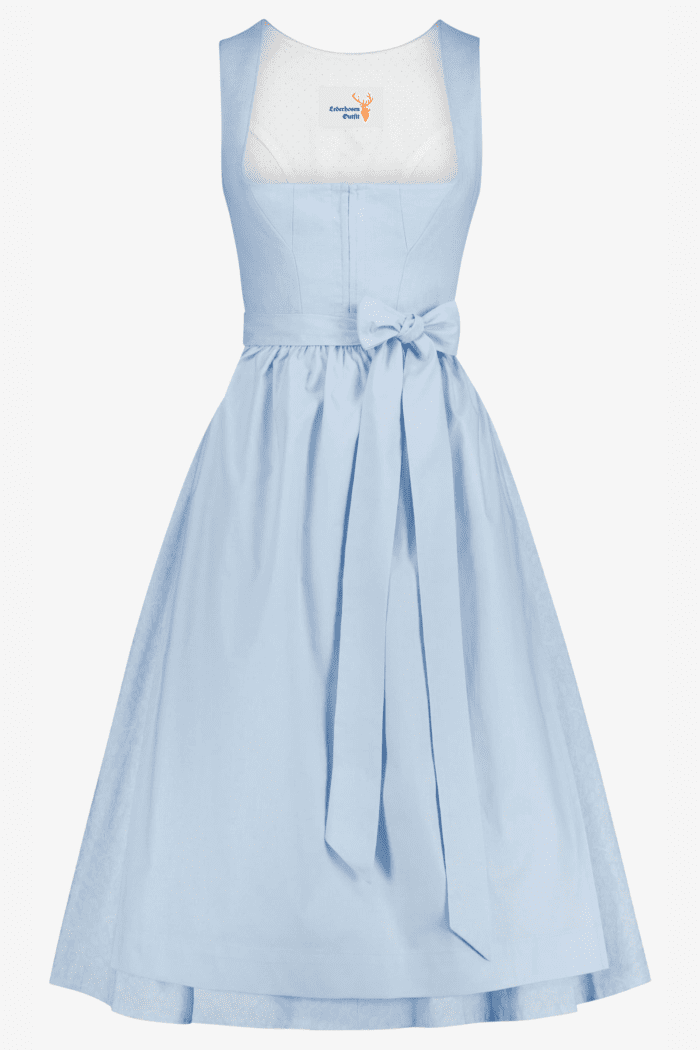
Most people who go to the festival in Munich choose Tracht which is the traditional Bavarian clothing. That is the traditional German Oktoberfest outfit most people picture. It covers the German Oktoberfest outfit for men and the German Oktoberfest dress and the rest of the apparel.
For men that usually means lederhosen or bundhosen (the longer knee length version) with a Bavarian shirt and a trachten waistcoat and knee high socks or Loferl socks (the short calf warmers worn with lederhosen) and Haferl shoes (sturdy traditional leather shoes). For women it is usually an Oktoberfest dirndl. If you want a full rundown our post on what to wear to Oktoberfest covers it. For more looks to borrow there are Oktoberfest outfit ideas and a post on Oktoberfest costume choices for Munich and beyond.
A quick word on leather since lederhosen are leather. Genuine leather tends to soften and settle to your shape as you wear it. Cheap imitations often stay stiff or crack in the folds. That is why the material is worth a second look before you buy. At Lederhosen Outfit our lederhosen are made from genuine leather and made to order in authentic Bavarian style. We put real thought into high quality stitching and embroidery details. Check the individual product page for its stated leather type and materials and construction details.
When you are ready to browse take a look at our Oktoberfest outfit collection. You can also go straight to lederhosen for men or a dirndl. And don’t forget the feet. A pair of Haferl shoes finishes the look.
Common Mistakes When Saying Cheers in German
Most slip ups are small and easy to fix. Here are the ones that come up most.
| Mistake | Why it matters | Easy fix |
|---|---|---|
| Looking away while you clink | It feels distant and a bit rude | Hold eye contact until the glass touches |
| Mumbling the word | The toast loses its energy | Say Prost clearly and with a smile |
| Using Gesundheit as the main toast | It sounds like you are reacting to a sneeze | Go with Prost or Zum Wohl |
| Treating O’zapft is as a toast | It is the festival opener and not a cheers | Save your toast for the clink |
| Rushing the first sip | You skip the moment everyone shares | Wait for the clink and then drink |
None of these are disasters. Think of them as small polish.
Three Short Toasts You Can Use
If you like having something ready here are three easy ones.
In a beer garden. Lift your glass and look around the table and say “Prost!” Short and loud and friendly.
At a dinner with a host. Wait for a calm moment and raise your glass and say “Zum Wohl.” If you want to add something warm you can say it in English afterward. Hosts usually love it.
In an Oktoberfest tent. Join the crowd when the band starts the toast song and clink your Maß gently and shout “Prost!” You will blend right in.
Recommended products
Tyrolean Dark Oak Classic Lederhosen
Price range: $140.25 through $165.00German Drindl Dress Oktoberfest Womens Dress
$200.00German-Made Lederhosen Suspenders
$42.00


Cheers in German FAQs
1. How do you say cheers in German?
Prost is the standard word and you can use it almost anywhere. Zum Wohl is the more polite option for dinners and wine. Add eye contact and a clink and you have done it properly.
2. How do you pronounce Prost?
It is one syllable that sounds close to “prohst.” Keep the final t short and clear. Say it just as the glasses touch.
3. What is the difference between Prost and Prosit?
Prost is the short everyday form that people use with beer and friends. Prosit is longer and more festive and shows up in songs and celebrations. Ein Prosit is the toast you will hear in beer tents.
4. What does Zum Wohl mean?
It means “to your wellbeing” and it is a polite way to toast. It fits dinners and wine and moments with a host. If you are ever unsure Prost is still the safe default.
5. Do Germans say Gesundheit when toasting?
Gesundheit means health and Germans mostly say it after a sneeze. It can carry the idea of a health toast but it isn’t the usual choice. Prost and Zum Wohl sound much more natural.
6. Why do Germans make eye contact when they clink glasses?
It is seen as polite since you are toasting the person and not just the drink. Many people also repeat an old superstition about bad luck if you look away. Either way it is an easy habit to pick up.
7. What is “Ein Prosit der Gemütlichkeit”?
It is the toast song people sing at Oktoberfest in the tents. It celebrates the cozy and friendly feeling of sitting together. Everyone lifts a mug and joins in.
8. How do you say happy Oktoberfest in German?
Many people just say Prost or greet each other warmly since there isn’t one fixed phrase everyone uses. The opening line “O’zapft is” is tied to the festival start. Our post on saying happy Oktoberfest in German goes deeper.
9. Can you say Prost with a non alcoholic drink?
Yes. The word and the moment matter more than what is in the glass. Clink and say it as usual.
10. What should I wear to an Oktoberfest toast?
Most people go with Tracht which means lederhosen for men and a dirndl for women. A Bavarian shirt and a waistcoat and the right socks and shoes finish the look. You will find the details in our post on what to wear to Oktoberfest.
Final Thoughts
So there it is. Cheers in German is Prost. Zum Wohl is the polite backup. Ein Prosit is for the big festive moments. And whatever you say you look at the person and clink and take a sip.
Learn those three phrases and you are ready to enjoy a beer garden or a dinner or a Maß in a Munich tent. And if you are putting together an outfit for the occasion take a look at our Oktoberfest