
Introduction
Lederhosen socks are much more than a practical accessory—they are an enduring symbol of Bavarian tradition and an essential part of traditional German clothing. For generations, these distinctive socks have been worn alongside Lederhosen, helping to create the authentic Alpine appearance that remains closely associated with Bavaria’s cultural heritage. While they provide warmth and comfort, their importance extends far beyond function, reflecting centuries of craftsmanship, regional identity, and local customs.
Originally designed to meet the practical needs of everyday life in the Bavarian Alps, Lederhosen socks gradually became a recognizable feature of traditional dress. Today, they continue to play an important role at Oktoberfest, folk festivals, weddings, and cultural celebrations, preserving the customs that have shaped Bavarian clothing for generations.
Understanding the history and significance of Lederhosen socks offers a deeper appreciation for why they remain an essential part of authentic Bavarian attire rather than simply another clothing accessory.
In this guide, you’ll discover the origins of Lederhosen socks, how they became a symbol of regional identity, and why they continue to hold an important place in traditional German clothing. If you’re looking for the right pair, explore our Complete Guide to Choosing the Best Lederhosen Socks for Oktoberfest. You can also browse our collection of authentic Lederhosen Socks, designed to pair perfectly with our handcrafted Men’s Lederhosen.
The History of Lederhosen Socks
Origins in the Bavarian Alps
The history of Lederhosen socks begins in the Bavarian Alps, where mountain communities developed practical clothing suited to their environment. Alpine weather could be cold, damp, and unpredictable, making warm, durable garments essential for daily life. Alongside leather Lederhosen and sturdy footwear, traditional socks became an important part of clothing that protected people while they worked, traveled, and lived in mountainous conditions.
These early socks were designed with practicality in mind. Their longer length helped provide additional warmth, while natural fibers offered comfort during long days outdoors. Over time, they became closely associated with Alpine life and the distinctive style of Bavarian traditional clothing.
Although clothing styles evolved over the centuries, Lederhosen socks retained their characteristic appearance and continued to reflect the heritage of the region where they first developed.
Practical Beginnings
Before becoming a symbol of Bavarian culture, Lederhosen socks served a practical purpose. Farmers, hunters, craftsmen, and other workers relied on them for additional warmth and protection while spending long hours outdoors. Their durable construction helped withstand everyday wear, making them a reliable part of traditional working clothing.
As Lederhosen gradually evolved from practical workwear into ceremonial and festive attire, the accompanying socks also became part of the complete traditional outfit. What began as functional clothing eventually gained cultural significance, preserving the appearance and craftsmanship of earlier generations while continuing to represent Bavarian heritage today.
Why Lederhosen Socks Became a Traditional Symbol
Part of the Complete Bavarian Outfit
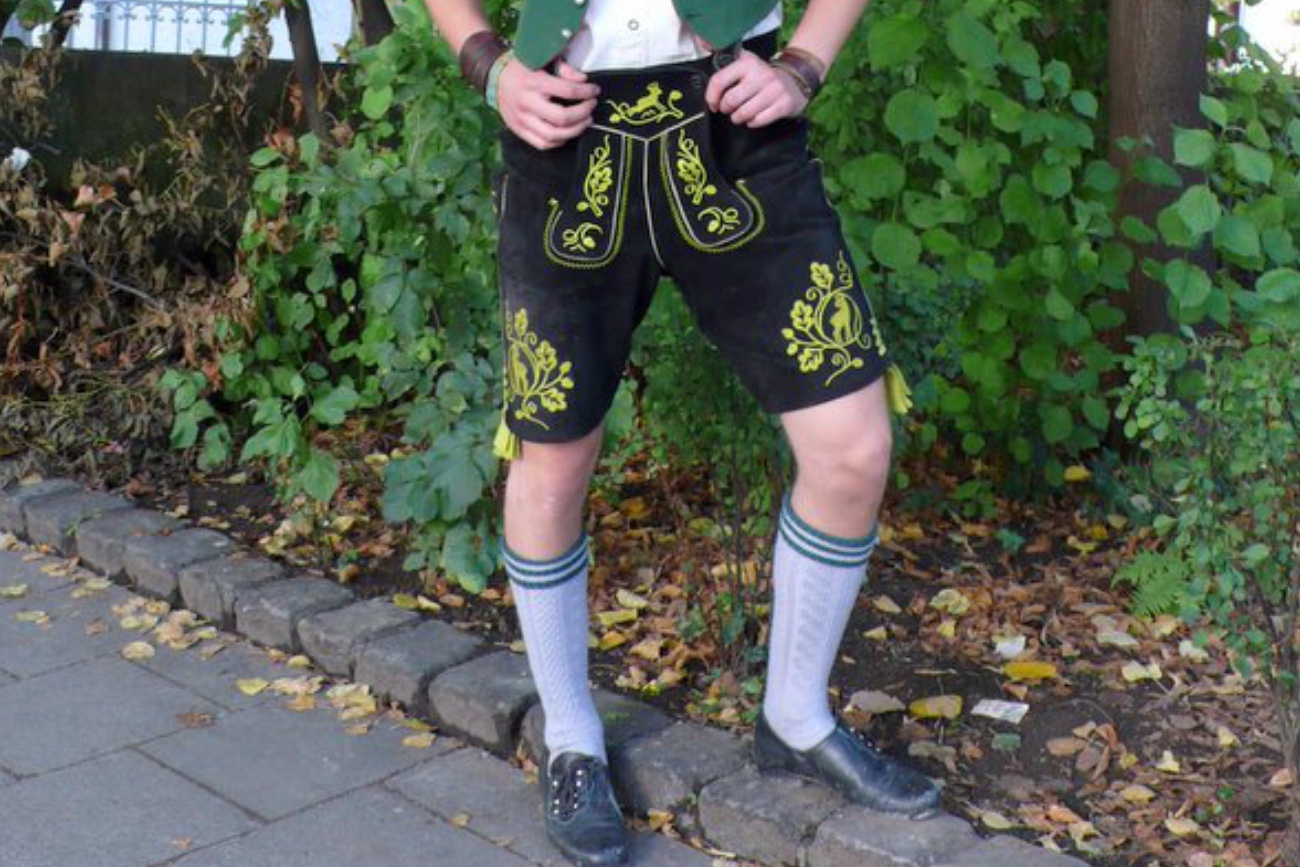
Over time, Lederhosen socks became far more than a practical garment—they became an essential part of the complete Bavarian outfit. Together with Lederhosen, traditional shoes, shirts, and other classic garments, they help create the distinctive appearance that has long represented Bavarian culture. Their recognizable knit patterns, traditional colors, and timeless design contribute to the authentic look that continues to be worn during festivals, weddings, and cultural celebrations.
Although modern interpretations of Bavarian clothing exist, traditional socks remain one of the defining elements of authentic attire. If you’re wondering whether they’re still considered an essential part of traditional dress, our guide on Do You Wear Socks with Lederhosen explains why they continue to play an important role in Bavarian clothing today.
Preserving Regional Identity
Lederhosen socks also represent regional identity and cultural pride. Different communities across Bavaria have preserved traditional clothing as a way of celebrating their local heritage and passing long-standing customs from one generation to the next. Wearing traditional socks alongside Lederhosen reflects an appreciation for these customs while helping maintain the authentic character of Bavarian dress.
Today, Lederhosen socks continue to symbolize the connection between past and present. Whether worn by local communities, cultural organizations, or visitors participating in Bavarian celebrations, they remain a lasting reminder of the history, craftsmanship, and traditions that define traditional German clothing.
Lederhosen Socks in Modern German Tradition
Although Lederhosen socks originated centuries ago, they continue to play an important role in modern German tradition. Rather than becoming historical garments displayed only in museums, they remain a living part of Bavarian culture. Today, they are worn during festivals, family celebrations, and cultural events, helping preserve customs that have been passed down through generations while connecting modern wearers with their regional heritage.
Oktoberfest and Cultural Festivals
Oktoberfest is the most internationally recognized celebration of Bavarian culture, and traditional Lederhosen socks remain an essential part of authentic festival attire. Alongside Lederhosen, Bavarian shirts, and traditional footwear, they help create the classic Alpine appearance that has become synonymous with the event.
Beyond Oktoberfest, Lederhosen socks are also worn at numerous local folk festivals and community celebrations across Bavaria. These gatherings celebrate regional history, music, dance, and traditions, making authentic clothing an important part of preserving the cultural atmosphere. Wearing traditional socks demonstrates respect for these long-standing customs while reinforcing the connection between clothing and Bavarian identity.
Weddings and Heritage Events
Traditional Bavarian weddings and heritage celebrations continue to embrace regional clothing as a way of honoring family traditions and local customs. Lederhosen socks remain a familiar part of these occasions because they complete the traditional outfit while reflecting the timeless craftsmanship associated with Bavarian dress.
Historical reenactments, heritage exhibitions, and cultural performances also rely on authentic clothing to accurately represent regional history. In these settings, Lederhosen socks help preserve the visual identity of traditional German clothing and strengthen the connection between modern celebrations and historical customs.
Passing Traditions to New Generations
One reason Lederhosen socks remain culturally significant is that they continue to be introduced to younger generations. Families, cultural organizations, and Bavarian communities encourage traditional clothing during festivals and celebrations, helping children and young adults develop an appreciation for their regional heritage.
By continuing to wear traditional attire, each generation contributes to preserving Bavarian customs and ensuring that Lederhosen socks remain a recognizable symbol of cultural identity rather than simply a piece of historical clothing.
Traditional Design Features
The distinctive appearance of Lederhosen socks reflects generations of Bavarian craftsmanship. Their traditional designs were shaped by practical needs, regional influences, and natural materials, creating a style that remains recognizable today.
Classic Knit Patterns
Traditional Lederhosen socks often feature textured knit patterns that add both character and durability. These designs have been passed down through generations and remain an important part of authentic Bavarian clothing. While modern manufacturing has introduced new production methods, many traditional patterns continue to reflect their historical origins.
Traditional Colors
Cream, gray, and other natural wool shades have long been associated with traditional Lederhosen socks. These neutral colors complement leather Lederhosen and traditional footwear while maintaining the understated appearance that defines Bavarian clothing. Their timeless look has helped preserve the authentic character of traditional dress for generations.
Historically, wool was one of the preferred materials because it provided warmth, comfort, and durability for everyday Alpine life. If you’d like to learn more about its advantages, explore our guide on Top 5 Benefits of Wool Lederhosen Socks for Oktoberfest and Beyond.
Regional Variations
Although Lederhosen socks share many common features, slight regional variations can still be found across Bavaria. Differences in knitting techniques, decorative patterns, and local traditions reflect the diverse heritage of Alpine communities while maintaining the authentic appearance associated with traditional German clothing. These subtle variations highlight the rich craftsmanship that has helped preserve Bavarian dress for centuries.
Why They Still Matter Today
Respecting Bavarian Heritage
Lederhosen socks remain an important symbol of Bavarian heritage because they connect modern wearers with traditions that have been preserved for generations. Wearing them is more than following a dress code—it reflects an appreciation for regional customs, craftsmanship, and the cultural history that continues to shape Bavarian identity. Whether worn by local communities or visitors, traditional socks help celebrate and preserve a living heritage.
Keeping Traditional Dress Authentic
Authentic Bavarian clothing is built on attention to detail, and Lederhosen socks continue to play an essential role in maintaining that authenticity. Their traditional appearance, timeless craftsmanship, and connection to Alpine history help complete the classic Bavarian outfit while preserving its original character. As fashions evolve, Lederhosen socks remain a reminder that true traditional dress is defined not only by individual garments but also by the history, craftsmanship, and cultural appreciation they represent.
Conclusion
Lederhosen socks have deep cultural roots that extend far beyond their practical purpose. From their origins in the Bavarian Alps to their place in modern festivals, weddings, and cultural celebrations, they have remained an essential part of traditional Bavarian clothing for generations. Their distinctive design reflects the craftsmanship, regional identity, and customs that continue to shape authentic German traditional dress.
Today, Lederhosen socks still symbolize Bavarian heritage while preserving the timeless appearance of traditional attire. Their history, quality craftsmanship, and cultural significance ensure they remain an important part of authentic Bavarian clothing, connecting modern wearers with centuries of Alpine tradition.
Frequently Asked Questions
1. Why are Lederhosen socks important?
Lederhosen socks are important because they complete the traditional Bavarian outfit while representing centuries of regional heritage, craftsmanship, and cultural identity.
2. What is the history of Lederhosen socks?
Lederhosen socks originated in the Bavarian Alps, where they were worn for warmth, comfort, and durability. Over time, they evolved from practical workwear into an essential part of traditional Bavarian clothing.
3. Why do Bavarians wear traditional socks?
Bavarians wear traditional socks to preserve regional customs, complete authentic traditional attire, and celebrate their cultural heritage during festivals, weddings, and other community events.
4. Are Lederhosen socks part of traditional German clothing?
Yes. Lederhosen socks are an established part of traditional Bavarian clothing, which is one of the most recognizable forms of traditional German dress.
5. What materials were traditional Lederhosen socks made from?
Historically, Lederhosen socks were commonly made from natural wool because it provided warmth, durability, and comfort in the Alpine climate.
6. Do Germans still wear Lederhosen socks today?
Yes. Lederhosen socks are still worn today during Oktoberfest, folk festivals, Bavarian weddings, heritage celebrations, and other traditional cultural events.
7. Are Lederhosen socks worn outside Oktoberfest?
Yes. They are regularly worn at weddings, regional festivals, cultural performances, heritage events, and other occasions where traditional Bavarian clothing is appropriate.
8. Why are Lederhosen socks usually cream or gray?
Cream and gray are traditional colors because they reflect the natural shades of wool and complement Lederhosen, traditional shoes, and other Bavarian garments while maintaining an authentic appearance.
9. What makes traditional Lederhosen socks authentic?
Authentic Lederhosen socks are characterized by traditional knit patterns, quality craftsmanship, classic neutral colors, and a design that reflects longstanding Bavarian traditions.
10. How do Lederhosen socks preserve Bavarian culture?
Lederhosen socks preserve Bavarian culture by keeping traditional dress alive across generations. Their continued use at festivals, weddings, and cultural celebrations helps maintain regional customs, craftsmanship, and the distinctive identity of Bavarian heritage.
