

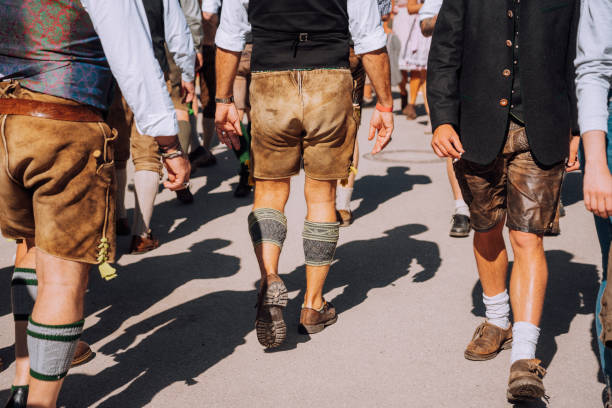
When buying Lederhosen for the first time, one of the biggest questions is how they should actually fit. Unlike jeans or regular shorts, Lederhosen are designed to sit close to the body, so a new pair may feel firmer and more fitted than you expect.
The key is knowing the difference between comfortably snug, too tight, and too loose. A properly fitted pair should stay securely in place while allowing you to sit, walk, bend, and move naturally without painful pressure or pinching.
In this guide, we’ll show you what a correct Lederhosen fit looks and feels like, how they should fit around the waist, hips, seat, thighs, and rise, and how to test the fit once you’re wearing them. We’ll also cover the main fit considerations for women and children.
Quick Answer: How Should Lederhosen Fit?
How Should Lederhosen Fit at Each Body Area?
A correct fit is not based on the waist alone. Authentic Lederhosen should sit in close contact with the body while allowing a full range of motion. The table below shows the main signs of a comfortable, too-tight, or too-loose fit before we look at each body area in detail.
Area | Comfortable Fit | Too Tight | Too Loose |
Waist | Secure without digging in | Cuts into the skin or causes pressure | Slides, shifts, or leaves gaps |
Seat | Follows your shape without sagging | Pulls or pinches | Excess leather bunches or sags |
Thighs | Close-fitting with room for movement | Pinching or pulling | Excess space or flapping |
Rise | Comfortable when sitting and moving | Crotch pulls or binds | Excess fabric or hanging |
Leg Opening | Sits comfortably | Cuts into the leg | Excessively loose |
Movement | You can walk, sit, bend, and move naturally | Movement is restricted | Garment shifts or slides |
Waist and Waistband
The waistband should sit securely around your natural waistline without digging into the skin or making breathing feel constricted. When standing upright, it should stay in place without a noticeable gap, shift, or slide. When you sit down, it should remain comfortable without rolling or pinching. Depending on the style, the waistband may sit between the belly button and rib cage, so the fit may feel different from what you’re used to with regular trousers. For online buyers, the waist measurement is a primary sizing reference, but knowing how to choose the right Lederhosen size also requires considering the hips, thighs, and rise.
Hips and Seat
The hips and seat should follow your natural shape while maintaining comfortable close contact with the body. Check the side seams and hip seams when standing and moving. If they look stretched or straining, the Lederhosen may be too tight. If you notice excess fabric, bunching, sagging, or leather that droops, they may be too loose. The seat area should remain comfortable when sitting, without excessive pulling or pressure.
Thighs and Thigh Fit
The thigh fit should be close without squeezing the legs. The leather should maintain comfortable contact with the outer thigh while leaving enough room for walking, sitting, bending, squatting, and dancing. This can be especially important for people with athletic or muscular thighs, because the thigh measurement may require more attention than the waist, particularly when choosing plus-size Bavarian clothing. If the waist fits but the thighs are pinching, pulling, or causing discomfort, you may need to size up or choose another cut. During extended wear, the thighs should not feel constricted or affect circulation.
Rise and Crotch
The rise is the distance between the waistband and crotch. It should provide enough room for comfortable sitting, bending, and squatting without the crotch pulling or binding. A rise that is too short can cause discomfort and restricted movement, while one that is too long can create bagginess, pouching, and excess fabric. The back waistband should stay naturally positioned without making the front or seat feel uncomfortable.
Length
The correct length depends on the style and should allow comfortable movement around the knee and calf.
- Short Lederhosen: Usually finish 1–2 inches above the knee, with the hem comfortably above the kneecap.
- Kniebundhosen: Typically reach around the knee or 1–2 inches below the kneecap, while allowing comfortable movement.
- Bundhosen: Long Lederhosen that extend down the leg, usually toward the mid-calf. The exact length varies by style and size.
Latz and Front Fit
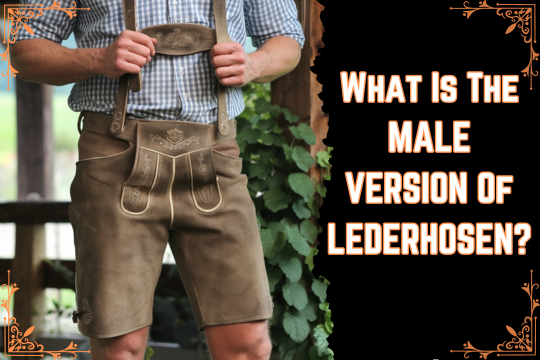
The Latz, or front flap, should sit naturally against the front without excessive bulging or pouching. It should remain structured when standing and comfortable when sitting. The buttons should not look excessively stretched or straining. Strong pulling across the front can indicate a tight fit, while too much loose leather can create excess fabric and a baggy appearance.
Suspenders and Their Fit
Traditional Suspenders should support the Lederhosen rather than compensate for an oversized pair. Adjust them so the waistband and Latz sit correctly without excessive shoulder pressure. If you need to tighten the suspenders too much to stop the Lederhosen from sliding, the waist or overall fit may be too loose. They should hold the Lederhosen securely without pulling the waistband upward or creating unnecessary pressure.
How to Test if Your Lederhosen Fit Correctly
Once your Lederhosen are on, test them through a few simple movements. A proper fit should remain comfortable and secure during normal movement, not just while standing.
1. The Standing Test
Stand upright with your feet flat on the floor. Check the overall position and look for horizontal stress lines, excess wrinkles, or visible seam stress. The Lederhosen should stay in place without shifting, pinching, or restricting your body.
2. The Sitting Test
Sit on a chair and stay there for a moment. Notice whether you need to adjust the Lederhosen or change your position. Check whether the garment remains comfortable and returns to its normal position when you stand again.
3. The Walking Test
Walk normally for several steps and notice whether the Lederhosen stay in position. Your legs should move freely without chafing, pinching, or repeated shifting , all of which can affect how comfortable Lederhosen are to wear. If you keep adjusting them while walking, the fit may need attention.
4. The Bending and Movement Test
Bend your knees, raise your legs, and try normal movements. You can also try a few light dance movements if you plan to wear them at Oktoberfest. The Lederhosen should remain comfortable through your normal range of motion without binding, pulling, or excessive seam stress.
How Should Women’s Lederhosen Fit?
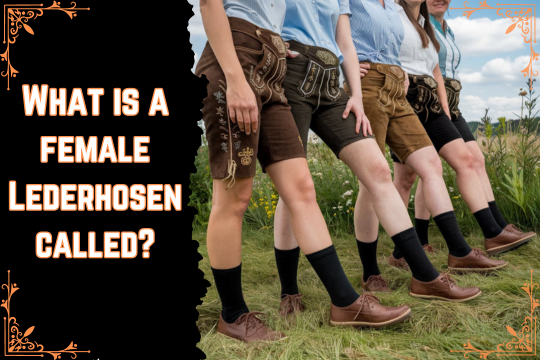
Women’s bodies have a different shape and waist-to-hip proportion than men’s, so women’s Lederhosen are often cut to follow the waist, hips, seat, and thighs more naturally. However, the basic fit rule is the same: they should feel snug and secure without pinching, pulling, or restricting movement. The waistband should stay comfortably in place, while the hips and seat should follow the body’s shape without excessive gaps or pressure. Women’s Lederhosen are often shorter in length than men’s styles, so the leg opening may be slightly wider to create a comfortable fit around the thighs and allow natural movement. Whether sitting, walking, or bending, the Lederhosen should feel comfortable and allow natural movement.
How Should Children’s Lederhosen Fit?
Children need a fit that allows them to run, play, sit, bend, and move freely, especially when choosing the right pair for their age and size. The waistband should stay securely in place without digging in, while the seat and thighs should provide enough room for movement. Unlike an adult pair, children’s Lederhosen can have some practical growing room, but they should not be so loose that they slide, sag, or get in the way while playing. The basic rule remains the same: the Lederhosen should be secure, comfortable, and allow natural movement.
FAQs
1. How should Lederhosen fit when new?
Authentic Lederhosen should feel comfortably snug when first worn. Genuine leather naturally stretches and molds to your body over time.
2. Should I size up or size down?
Generally, no. Buy the size that matches your body measurements. Avoid sizing up because leather naturally expands with wear.
3. How tight is too tight?
If you cannot sit comfortably, walk naturally, or breathe comfortably, your Lederhosen are too tight.
4. Should Lederhosen stretch over time?
Yes. Premium leather gradually softens and adapts to your body shape after regular wear.
5. Can Lederhosen become too loose?
Yes. If they already feel loose when new, they’ll likely become baggier after repeated wear.
6. Where should the waistband sit?
Traditional Lederhosen should sit around your natural waist or slightly above your hips depending on the design.
7. How long should Lederhosen be?
Traditional short Lederhosen finish just above the knee, while Bundhosen extend below the knee.
8. Should children wear oversized Lederhosen?
No. Children’s Lederhosen should allow comfortable movement but should not appear excessively baggy.






2 thoughts on “How Should Lederhosen Fit: A Detailed Guide”